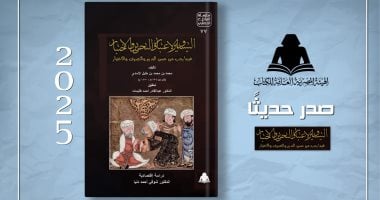
The Egyptian General Book Authority has released a significant historical text titled “Al-Taysir wa al-I’tibar, al-Tahrir wa al-Ikhtibar fi ma Yajib min Husn al-Tadbir wa al-Tasarruf wa al-Ikhtiyar,” authored by Muhammad ibn Muhammad ibn Khalil al-Asadi and meticulously edited by Dr. Abdul Qader Ahmed Tilmat. Accompanying the publication is an economic analysis by Dr. Shouki Ahmed Denya, positioning the work within the broader context of early economic philosophy. This manuscript stands as one of the most important contributions to classical Arabic economic literature, offering insight into Egypt’s economic landscape during the 15th century CE.
The release marks a long-overdue recognition of al-Asadi, whose ideas predate modern critiques of Adam Smith’s theory of resource scarcity by centuries. While classical European economics later built upon such concepts, al-Asadi argued that economic instability stems not from limited resources but from mismanagement and unequal wealth distribution. His approach diverged from contemporaries like Al-Maqrizi, who focused narrowly on monetary inflation, instead proposing a comprehensive framework grounded in rational observation and historical evidence.
Al-Asadi’s methodology was notably empirical for his time, relying on logic and real-world data rather than purely normative or religious interpretations common in Islamic economic discourse of the era. Scholars suggest he may have served as a market inspector (muhtasib), using his administrative experience to advise rulers on governance reforms and warn against systemic corruption that could undermine economic stability.
Dr. Denya’s accompanying study highlights the turbulent socio-political environment in which al-Asadi wrote—characterized by feudal land control, widespread bureaucratic corruption, and a collapsing monetary system. These conditions led to soaring prices and mass migration of agricultural laborers. In response, al-Asadi crafted a detailed reform agenda identifying the root causes of societal decline and proposing practical solutions for revitalizing the agrarian economy.
The publication underscores the Egyptian General Book Authority’s commitment to reviving indigenous intellectual traditions. By reintroducing this pioneering work, it opens new avenues for exploring the origins of economic thought in Egypt and the wider Islamic world, affirming al-Asadi’s status as a precursor to political economy long before its formal emergence in Europe.
— news from (اليوم السابع)
— News Original —
التيسير والاعتبار للأسدى كتاب تراثى يكشف جذور الفكر الاقتصادى المصرى
أصدرت الهيئة المصرية العامة للكتاب، ضمن سلسلة “التراث الحضاري”، كتاب “التيسير والاعتبار والتحرير والاختبار.. فيما يجب من حسن التدبير والتصرف والاختيار”، تأليف محمد بن محمد بن خليل الأسدي، بتحقيق الدكتور عبد القادر أحمد طليمات، ودراسة اقتصادية موازية للدكتور شوقي أحمد دنيا، ويعد الكتاب من أهم النصوص الاقتصادية في التراث العربي، والذي يقدم رؤية مبكرة تكشف عمق التجربة الاقتصادية المصرية خلال القرن الخامس عشر الميلادي.
ويأتي نشر هذا العمل بعد تجاهل امتد لقرون لشخصية الأسدي، رغم أن كتابه -المؤرخ بعام 855 هـ- يُعد من أبرز المراجع التي سبقت بكثير النقد الحديث لنظرية آدم سميث حول ندرة الموارد، والتي قامت عليها أفكار الاقتصاد الكلاسيكي.
ويؤكد الأسدي في كتابه أن جوهر الأزمة الاقتصادية لا يكمن في نقص الموارد، بل في سوء إدارتها وسوء توزيع الثروة داخل المجتمع، مقدّمًا رؤية شاملة تتجاوز الطرح الأحادي الذي قدمه المقريزي في كتاب “إغاثة الأمة” حول التضخم والنقود.
ويكشف الكتاب عن أن الأسدي كان من أوائل المفكرين الذين تناولوا المشكلات الاقتصادية بمنهج تحليلي واقعي، معتمدًا على العقل والملاحظة والوقائع التاريخية، في وقت كان الفكر الاقتصادي الإسلامي ينحصر غالبًا في الطرح المعياري والفقهي.
ويشير المحقق د. عبد القادر طليمات إلى أن الأسدي ربما كان يتولى منصب المحتسب، وأنه ترك مجموعة من الكتب الإصلاحية التي وجهها للحكام، محذرًا من الفساد الإداري وسوء التدبير وما يترتب عليه من خراب اقتصادي.
وتسلّط دراسة د. شوقي دنيا الضوء على المناخ الاقتصادي والسياسي الذي عاش فيه الأسدي، والذي اتسم بسيطرة النظام الإقطاعي على الأراضي، وانتشار الفساد في أجهزة الدولة، وتدهور النظام النقدي، مما أدى إلى غلاء فاحش وهجرات واسعة للعمالة الزراعية، وفي ظل هذا الواقع، كتب الأسدي عمله الضخم الذي يُعد بمثابة مشروع إصلاحي مبكر، وصف فيه أسباب “فساد الوضع وخراب البلاد”، مقترحًا حلولًا واقعية لمعالجة النظام الاقتصادي الزراعي المتدهور.
وتؤكد الهيئة المصرية العامة للكتاب أن إصدار هذا العمل النفيس يمثل إحياءً لمسار فكري أصيل في التراث العربي، وفتحًا لباب جديد في دراسة جذور الفكر الاقتصادي في مصر والعالم الإسلامي، خصوصًا أن الأسدي يُعد واحدًا من رواد الاقتصاد السياسي قبل ظهور هذا العلم في أوروبا بقرون طويلة.