Nissui, a leading Japanese seafood company, reported increased revenue and operating profit for the first half of its 2025 fiscal year, attributing the gains to steady economic growth in Japan. Between April 1 and September 30, the firm recorded sales of JPY 452.9 billion (USD 2.9 billion, EUR 2.47 billion), a 2.8 percent rise compared to JPY 440.6 billion in the same period the previous year. Operating profit reached JPY 19.7 billion (USD 126 million, EUR 107 million), up 14.6 percent from JPY 17.2 billion.
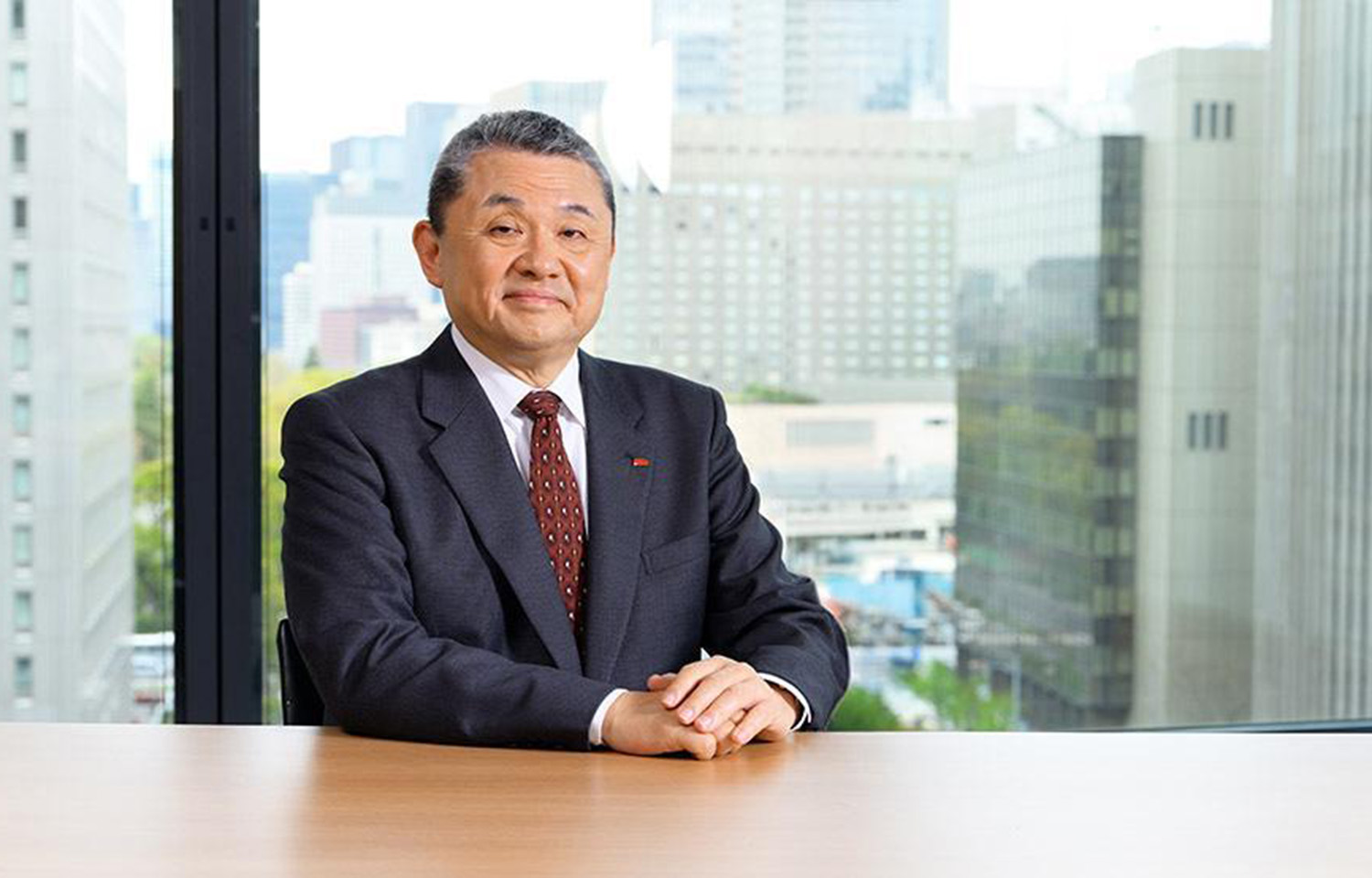
President and CEO Teru Tanaka credited the performance to improved domestic demand, stronger employment conditions, and increased tourism. Fisheries contributed 39.5 percent of total revenue, generating JPY 178.8 billion, while the food segment accounted for 55.6 percent, bringing in JPY 251.7 billion.
Profitability in marine products improved due to better aquaculture yields and higher prices for amberjack and coho salmon. Fishing operations also benefited from consistent catches of key species. In North America, processing and trading divisions saw gains, though domestic trading faced headwinds from falling fish oil prices.
Tanaka noted ongoing uncertainties, including geopolitical tensions and potential economic slowdowns linked to U.S. trade policies. Earlier in the year, President Donald Trump had threatened steep tariffs on Japanese goods before finalizing a 15 percent reciprocal agreement in July. Anticipatory market shifts ahead of the tariff announcement contributed to favorable results.
Despite positive momentum, the company has maintained its original FY2025 forecast of JPY 900 billion in revenue and JPY 34.5 billion in profit. As part of its “Good Foods 2030” strategy, Nissui aims to increase sales by 50 percent by 2030. The firm recently launched “Good Foods Recipe 2,” focusing on supply chain resilience, and began construction on a new production facility in Kitakyushu intended to serve as a model for future smart factories.
Additionally, Nissui has initiated joint research with Shin Nippon Scientific Research Company to develop mass production techniques for artificially bred Japanese eels. Currently reliant on wild glass eels, Japan’s eel farming industry could shift toward sustainable, fully farmed sources under this initiative. The company emphasized its commitment to preserving traditional food culture while reducing environmental impact.
— news from SeafoodSource
— News Original —
Nissui’s fiscal first half results boosted by moderate economic growth in Japan
Japanese seafood giant Nissui reported an increase in sales and operating profit in its the first half of its 2025 fiscal year results, which it attributes to moderate economic growth in the Japanese economy.
For the six-month period spanning from 1 April to 30 September, Nissui reported revenue of JPY 452.9 billion (USD 2.9 billion, EUR 2.47 billion), up 2.8 percent over the JPY 440.6 billion (USD 2.8 billion, EUR 2.41 billion) it reported in the same period of the prior fiscal year. Operating profit climbed as well, reaching JPY 19.7 billion (USD 126 million, EUR 107 million), up 14.6 percent from the JPY 17.2 billion (USD 110 million, EUR 94 million) it posted in the same period of the prior year.
“During the current interim consolidated fiscal period, the Japanese economy experienced a moderate growth due to factors such as an increase in inbound demand and improvements in the employment and income environment,” Nissui President and CEO Teru Tanaka, who was appointed to the role in April, said in a release about the results.
Of the company’s total revenue, 39.5 percent came from its fisheries business, which brought in JPY 178.8 billion (USD 1.14 billion, EUR 978 million), and 55.6 percent came from its food business, which brought in JPY 251.7 billion (USD 1.6 billion, EUR 1.37 billion).
The company said its marine products business saw a significant increase in its profits due to improvement in aquaculture, and higher selling prices for amberjack and coho salmon also contributed to gains in that sector. Its fishing operations also posted higher profits thanks to steady catches of Japanese amberjack and tuna.
Nissui’s processing and trading business saw improvements in North America while domestic trading struggled, which the company said was partially attributable to falling fish oil prices.
Tanaka said that despite the positive trends, the future still remains unclear due to geopolitical risks and the risk of a potential economic downturn due to tariffs enacted by the U.S.
U.S. President Donald Trump announced a trade deal with Japan on 22 July that would set the country’s “reciprocal” tariffs at 15 percent. However, prior to the deal, Trump was threatening tariffs as high as 25 percent.
Part of the positive results, according to Tanaka, came thanks to a fluctuation in supply and demand that occurred ahead of the U.S. tariff hike.
Looking forward, Tanaka said that while the results so far in 2025 have been favorable, looking forward is difficult and there have been no changes to the company’s FY 2025 projection of JPY 900 billion (USD 5.7 billion, EUR 4.9 billion) in revenue and JPY 34.5 billion (USD 221 million, EUR 188 million) in profit.
Nissui is working toward a 50 percent increase in sales by 2030 as part of its “Good Foods 2030” plan. The company recently completed Stage 1 of the plan and is now working on “Good Foods Recipe 2,” which launched in April and is oriented around increasing the company’s supply chain resilience. To that end, the company recently broke ground on a new production facility in Kitakyushu, which it said will be a model base for a new “Nissui Smart Factory” that it will use as part of its growth plans for its domestic food business.
The company also said it has begun joint research on mass production of artificially seeded Japanese eels. Kindai University achieved closed-cycle breeding of Japanese eels in 2024, and Nissui said its partnership with Shin Nippon Scientific Research Company will develop mass production technology for Japanese eels.
“Currently, eel farming in Japan relies on wild glass eels,” Nissui said. “However, Nissui aims to achieve ‘fully farmed’ eels that do not rely on natural resources and is promoting the development of sustainable farming techniques that reduce the burden on the environment, protecting Japan’s food culture and passing it on to the future.”