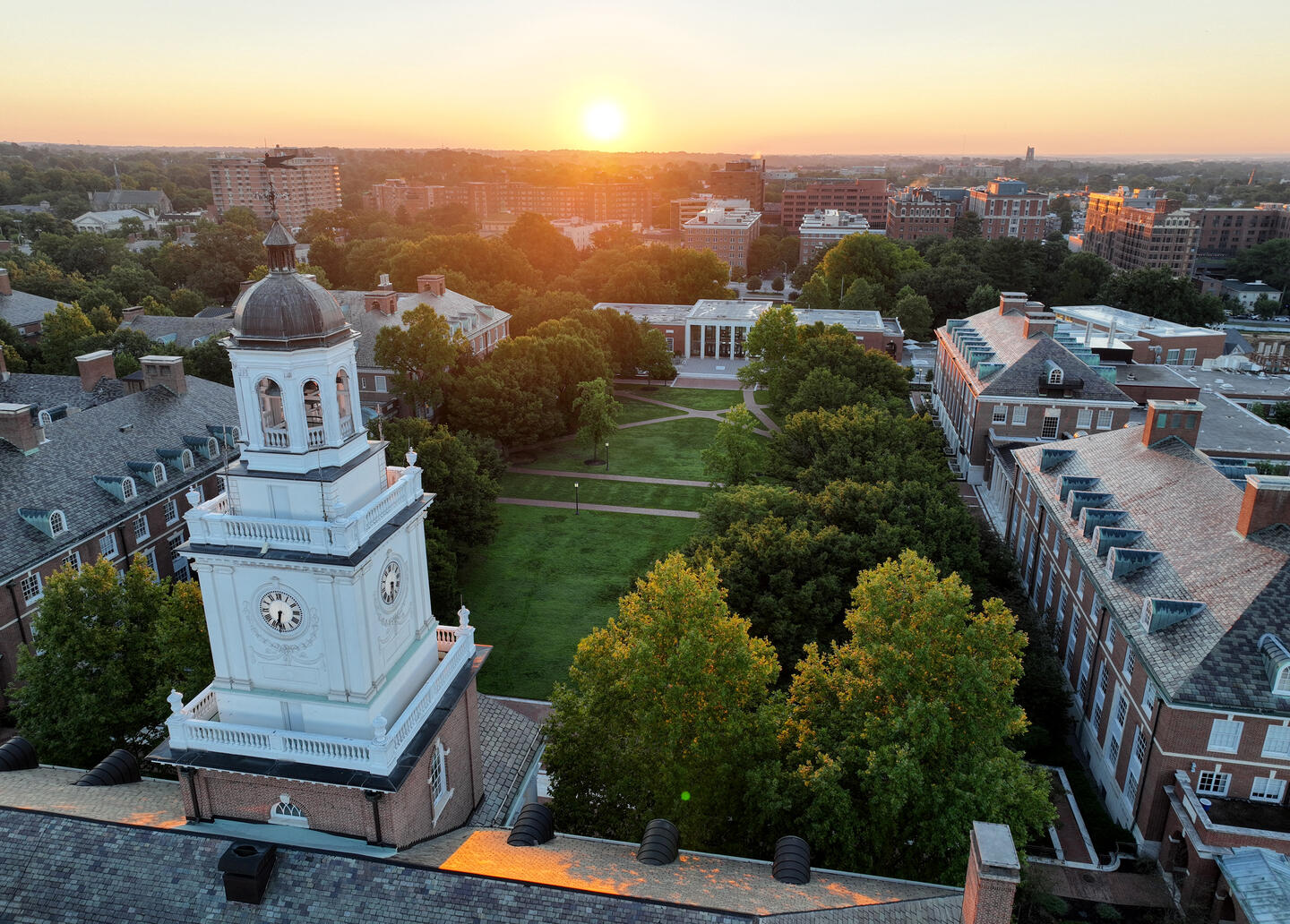
As Johns Hopkins University prepares to celebrate its 150th anniversary on February 22, its role as a cornerstone of Baltimore’s economy remains stronger than ever. As the largest private employer in both the city and the state of Maryland, the institution generated a $40 billion economic impact across Maryland last year, supporting approximately 149,000 jobs, according to an independent assessment by Econsult Solutions Inc.
Within Baltimore specifically, Johns Hopkins contributed an estimated $19.4 billion to the local economy, with university and health system operations accounting for one in every five jobs in the city.
The report highlights the institution as a major driver of regional prosperity, stating that its presence fuels economic vitality across the communities it serves.
A significant contributor to this impact is the decade-long HopkinsLocal initiative, which has prioritized inclusive hiring, local procurement, and neighborhood investment. Since 2015, Johns Hopkins University and Health System have collectively spent over $1 billion with businesses based in the city.
Jeffrey Hargrave, president of Mahogany Inc., a Baltimore commercial construction company, credited Hopkins with helping his firm grow from a subcontractor to a general contractor: “They actively ensure local firms are included in their projects.”
University President Ron Daniels emphasized the mutual relationship between institutional success and urban well-being: “Our achievements are deeply connected to the health of the city we call home. As a major anchor institution, we have both a responsibility and an opportunity to ensure our spending strengthens the surrounding communities.”
Research activities alone triggered a $10 billion economic ripple effect across Maryland, sustaining nearly 38,000 jobs. Meanwhile, Johns Hopkins Technology Ventures has supported the creation of more than 130 startups since fiscal year 2024, which collectively raised $4.4 billion in venture funding—43% of which stayed within Baltimore.
In fiscal year 2024, the university’s operations in the city, employing over 22,000 individuals, produced a direct economic impact of $5.4 billion and an additional $1 billion in indirect benefits. The health system, with nearly 20,000 local employees, generated $5.7 billion in direct impact and $2.4 billion in indirect gains. Other affiliated health entities added $2.3 billion in economic activity.
The health system also delivered $597 million in community benefits across Maryland and Washington, D.C., with $491 million directed to Baltimore. These include free clinics, health screenings, workforce development programs, subsidized medical care, and neighborhood revitalization efforts.
Capital investments in infrastructure and facilities contributed nearly $1.3 billion in annual economic output and supported around 6,700 jobs in the city. Over the past ten years, Johns Hopkins has directed $490 million toward local firms involved in construction and design.
— news from AFRO American Newspapers
— News Original —
As It Turns 150, Johns Hopkins Remains Baltimore’s Top Anchor Institution
As Johns Hopkins prepares to celebrate its 150th anniversary on Feb. 22, its role as Baltimore’s largest anchor institution has never been more pronounced. n nJohns Hopkins—the largest private employer in the city and state—delivered a $40 billion economic impact across Maryland last year, including supporting 149,000 jobs, according to an independent analysis by Econsult Solutions Inc. n nIn Baltimore, Johns Hopkins’ annual economic impact was estimated at $19.4 billion—including university and health system operations that supported one in every five jobs in the city, according to the independent analysis. n n“Johns Hopkins is a vital engine of economic growth and regional vitality in every community it serves,” according to the report and the Johns Hopkins Committed to Community website. n nThe decade-long HopkinsLocal program has powered a significant portion of the benefits that have accrued in Baltimore. Since 2015, Johns Hopkins University and Johns Hopkins Health System have combined to spend more than $1 billion with local businesses—prioritizing inclusive hiring of city residents, extensive procurement with local companies, and investments in neighborhoods and community organizations. n n“Johns Hopkins goes out of its way to make sure that local companies participate in their projects,” said Jeffrey Hargrave, president of Mahogany Inc., a Baltimore-based commercial construction firm that evolved from a subcontractor to a general contractor thanks to work from Hopkins. n nSuch local inclusion has been the university’s vision for more than a decade. n n“Our success as an institution is inextricably tied to that of the city that we call home,” Johns Hopkins University President Ron Daniels said. “Johns Hopkins has a unique obligation and opportunity as an anchor institution in Baltimore and Maryland to ensure our spending decisions help our communities flourish, and we are working with our neighbors and partners to make a meaningful impact in our city and state.” n nResearch alone generates a $10 billion economic cascade across the state, including nearly 38,000 jobs, according to the analysis. n nJohns Hopkins Technology Ventures, which helps commercialize discoveries, has helped create more than 130 startups through fiscal year 2024 that have raised $4.4 billion in venture capital—43% of which has remained in Baltimore. n nIn Baltimore, the daily operations of Johns Hopkins University—which employ more than 22,000 people in the city—generated a direct annual impact of $5.4 billion and an indirect impact of an additional $1 billion in fiscal year 2024. n nJohns Hopkins Health System operations—which employ nearly 20,000 people in Baltimore—drive a direct impact of $5.7 billion and produce $2.4 billion in indirect benefits. In addition, other Hopkins-affiliated health entities generated $2.3 billion in economic activity. n nAdditionally, in fiscal year 2024, the Johns Hopkins Health System provided $597 million in community benefits throughout Maryland and Washington—with the majority, $491 million, delivered in Baltimore. Such benefits include direct health services, screenings, free clinics, community building, workforce development, free and reduced medical care, and more. n nCapital investments in buildings and infrastructure produce annual direct and indirect economic benefits of nearly $1.3 billion and nearly 6,700 jobs in Baltimore. Over the past decade, Johns Hopkins has committed $490 million with local companies involved in design and construction projects.