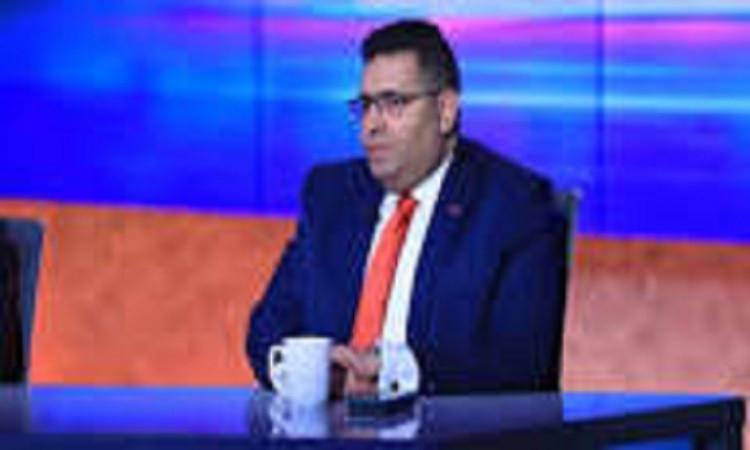
Dr. Bilal Shaib, an economic expert, emphasized Egypt’s pivotal regional influence in the Middle East, underpinned by its strategic geographic position as both an Arab and African nation, positioning it as a key gateway to the African market. He noted that this significance is not newly constructed but supported by clear economic data and indicators. n nDuring his appearance on the program “Good Evening Egypt,” Shaib pointed out that Africa’s market encompasses approximately 1.4 billion people, representing nearly 18 percent of the global population. He highlighted how geopolitical tensions and tariff wars have reshaped global investment patterns, making Egypt’s location increasingly attractive to major world economies. Chinese investments in the Suez Canal Economic Zone, for instance, have surged from $1.5 billion to over $5.5 billion, generating direct foreign capital inflows that have boosted employment rates, reduced unemployment, increased GDP, and helped lower the public debt-to-GDP ratio, currently nearing 85 percent, with government plans in place to bring it down further. n nShaib stressed that over the past three years, Egypt has consistently met all its external obligations, whether to international financial institutions or oil companies. This reliability has positively influenced credit rating agencies such as Fitch, Moody’s, and Standard & Poor’s, which have assigned Egypt a stable outlook, contributing to reduced borrowing costs and diminished investment risks. n nHe added that the Egyptian government is now reaping benefits from massive infrastructure investments exceeding 10 trillion EGP over the last decade, including developments in roads, bridges, digital transformation, energy plants, and expanded renewable energy sources. Egypt stands out in its region for actively advancing green hydrogen projects and has increased solar and wind energy production tenfold since 2015. n nEgypt’s recent participation in the World Economic Forum in Davos reflects international recognition of its political and economic weight, balanced diplomacy, and diversified international relationships with the European Union, African nations, and BRICS countries. These ties are fostering opportunities for local currency trade and investment, reducing reliance on the U.S. dollar. Shaib emphasized the human factor as a vital economic asset, with over 110 million people, 60 percent of whom are youth. The government is enhancing this resource through strategic partnerships with EU countries to align workforce skills with labor market demands. n nThe national investment map introduced by the government directly responds to global challenges in energy, food security, and industry. Priority has been given to expanding renewable energy, increasing arable land from 9.5 million to a target of 17 million feddans, and raising the industrial sector’s contribution to GDP from 14 percent to at least 20 percent. The government aims to grow industrial employment from 3.5 million to around 8 million workers, while supporting micro, small, and medium enterprises. Inspired by India’s success in formalizing informal economies, Egypt has adopted similar approaches through Central Bank initiatives offering low-interest financing. Shaib concluded that Egypt’s presence in international economic forums provides a crucial platform to showcase its economic vision, promote investment opportunities, and strengthen global confidence in its economy, supporting sustainable development goals and national interests. n— news from al-hay2a al-watanyah lel-3elam n
— News Original —n(title) خبير اقتصادي: مصر تمتلك دورًا إقليميًا محوريًا في منطقة الشرق الأوسط n(content) قال الدكتور بلال شعيب الخبير الاقتصادي إن مصر تمتلك دورًا إقليميًا محوريًا في منطقة الشرق الأوسط، إلى جانب موقعها الاستراتيجي كدولة عربية وإفريقية يجعلها بوابة رئيسية للدخول إلى السوق الإفريقي، مؤكدًا أن هذا الدور ليس حديثًا إنشائيًا بل مدعوم بأرقام ومؤشرات اقتصادية واضحة. n nوأوضح شعيب خلال لقائه في برنامج (مساء الخير يا مصر) أن السوق الإفريقي يضم نحو 1.4 مليار نسمة، بما يمثل قرابة 18% من سكان العالم، لافتًا إلى أن التوترات الجيوسياسية وحروب الرسوم الجمركية أعادت تشكيل خريطة الاستثمار العالمية، وهو ما جعل الموقع الجغرافي لمصر عنصر جذب مهمًا لكبرى دول العالم، مشيرًا إلى أن الاستثمارات الصينية في المنطقة الاقتصادية لقناة السويس ارتفعت من 1.5 مليار دولار إلى أكثر من 5.5 مليار دولار، وهو ما يعكس تدفقات نقدية دولارية مباشرة أسهمت في رفع معدلات التشغيل وخفض البطالة، وزيادة الناتج المحلي الإجمالي، وتقليل نسبة الدين العام إلى الناتج المحلي، التي تقترب حاليًا من 85%، مع وجود خطة حكومية لخفضها إلى مستويات أقل. n nوأكد الخبير الاقتصادي أن مصر لم تتخلف خلال السنوات الثلاث الماضية عن سداد أي التزامات خارجية سواء لمؤسسات التمويل الدولية أو شركات البترول، وهو ما انعكس إيجابيًا على نظرة مؤسسات التصنيف الائتماني الدولية مثل فيتش وموديز وستاندرد آند بورز، التي منحت الاقتصاد المصري نظرة مستقرة، ما ساهم في خفض تكلفة الاقتراض وتقليل المخاطر الاستثمارية. n nوأضاف الدكتور بلال شعيب أن الحكومة المصرية بدأت في جني ثمار استثمارات ضخمة تجاوزت 10 تريليونات جنيه خلال العقد الماضي لتطوير البنية التحتية، شملت الطرق والكباري، والتحول الرقمي، ومحطات الطاقة، وتنويع مصادر الطاقة المتجددة، مشيرًا إلى أن مصر تُعد الدولة الوحيدة في محيطها الإقليمي التي دخلت بقوة في مشروعات الهيدروجين الأخضر، إلى جانب مضاعفة إنتاج الطاقة الشمسية والرياح عشر مرات مقارنة بعام 2015. n nوأوضح أن مشاركة مصر مؤخرًا في منتدى دافوس العالمي تعكس نظرة المجتمع الدولي إليها باعتبارها دولة محورية ذات ثقل سياسي واقتصادي، تمتلك خطابًا متوازنًا وعلاقات دولية متعددة، سواء مع الاتحاد الأوروبي أو العمق الإفريقي أو تجمع دول البريكس، وهو ما يعزز فرص التبادل التجاري والاستثمار بالعملات المحلية وتقليل الاعتماد على الدولار، مشيراً إلى أن العنصر البشري يُعد أحد أهم الموارد الاقتصادية لمصر، حيث يتجاوز عدد السكان 110 ملايين نسمة، يشكل الشباب نحو 60% منهم، مؤكدًا أن الدولة تعمل على تأهيل هذا المورد عبر شراكات استراتيجية مع دول الاتحاد الأوروبي لتنمية المهارات البشرية وربطها باحتياجات سوق العمل. n nوأكد أن خريطة الفرص الاستثمارية التي طرحتها الدولة جاءت استجابة مباشرة للتحديات العالمية وعلى رأسها الطاقة والغذاء والصناعة، حيث أولت الدولة أولوية كبرى للتوسع في الطاقة الجديدة والمتجددة، والرقعة الزراعية التي ارتفعت من 9.5 مليون فدان إلى مستهدف 17 مليون فدان، إلى جانب تعزيز مساهمة القطاع الصناعي في الناتج المحلي من 14% حاليًا إلى 20% على الأقل، لافتاً إلى أن الدولة تستهدف رفع عدد العاملين بالقطاع الصناعي من 3.5 مليون عامل إلى نحو 8 ملايين، إلى جانب دعم المشروعات الصغيرة والمتوسطة ومتناهية الصغر، مستشهدًا بتجربة الهند في دمج الاقتصاد غير الرسمي، وتطبيقها محليًا من خلال مبادرات البنك المركزي لتمويل هذه المشروعات بفائدة ميسرة، مختتمًا شعيب حديثه بالتأكيد على أن تواجد مصر في المنتديات الاقتصادية الدولية يمثل نافذة مهمة لعرض رؤيتها الاقتصادية، والترويج لخريطة الفرص الاستثمارية، وتعزيز الثقة الدولية في الاقتصاد المصري، بما يحقق أهداف التنمية المستدامة ويخدم مصالح المواطن المصري. n nيُذاع برنامج (مساء الخير يا مصر) عبر أثير شبكة البرنامج العام، الهندسة الإذاعية أحمد محروس والإعداد شهيرة محمد والتقديم تقى نور الدين وسلوى شلبي والإخراج الدكتور محمود محجوب.