December 4, 2025 n nClaire Greene, a director at the Federal Reserve Bank of Atlanta’s Payments Forum, has been instrumental in analyzing and guiding the evolution of the U.S. payment system since joining in 2018. The Atlanta Fed, located in a region responsible for processing approximately 70% of all U.S. transactions, plays a pivotal role as operator, regulator, and researcher in the payments ecosystem—earning its home metro the nickname “Transaction Alley.” n nThe Payments Forum collaborates with banks, fintech firms, regulators, and law enforcement to study risks and innovations across cash, card, and digital transaction methods. Greene emphasizes that reliable payments infrastructure is foundational to national economic activity, enabling individuals, businesses, and institutions to engage fully in commerce. The Federal Reserve’s data-centric approach supports strategic decisions—from forecasting cash-handling needs to informing policy and inspiring new financial technologies. n nAs payment methods evolve rapidly, traditional survey data with inherent delays must be supplemented with real-time qualitative insights. Greene and her team regularly consult experts across the financial spectrum to detect early signals of change that may not yet appear in quantitative reports. Their research spans digital identity systems, crypto assets, stablecoins, fraud prevention, and emerging credit tools like buy-now-pay-later services. She also focuses on retail pricing practices such as surcharging and discounting based on payment type. n nGreene contributes to two major Federal Reserve surveys: the Federal Reserve Payments Study and the Survey and Diary of Consumer Payment Choice. The former, ongoing for over two decades, tracks the volume and value of noncash transactions nationwide. Data collection for the 2024 edition is underway, with results expected next spring. The latter survey, fielded in October, captures detailed records of every transaction made by participants over three days—offering rare insight into actual behavior rather than hypothetical responses. This granular data helps reveal shifting consumer habits and informs future policy. n nA key concern for the team is ensuring equitable access to modern payment systems. Rapid innovation risks excluding populations reliant on cash or lacking digital literacy. To address this, the Atlanta Fed launched a two-year initiative in 2021 aimed at integrating cash-dependent individuals into the formal financial network. Enhancing economic resilience and inclusion aligns directly with the Fed’s mandate for maximum employment. n nGreene highlights the dynamic nature of her work, noting the diversity of perspectives she encounters across the Federal Reserve System—from Jacksonville and Boston to the Board of Governors. She describes Atlanta’s fintech environment as a “powerhouse,” characterized by strong institutional support, deep expertise, and collaboration between regulators and innovators. Looking ahead, she is particularly excited by advancements that could streamline cross-border payments and improve transaction security. n
— news from Federal Reserve Bank of Atlanta
— News Original —
“The Economic Life of Our Country”: Talking About Payments with Claire Greene
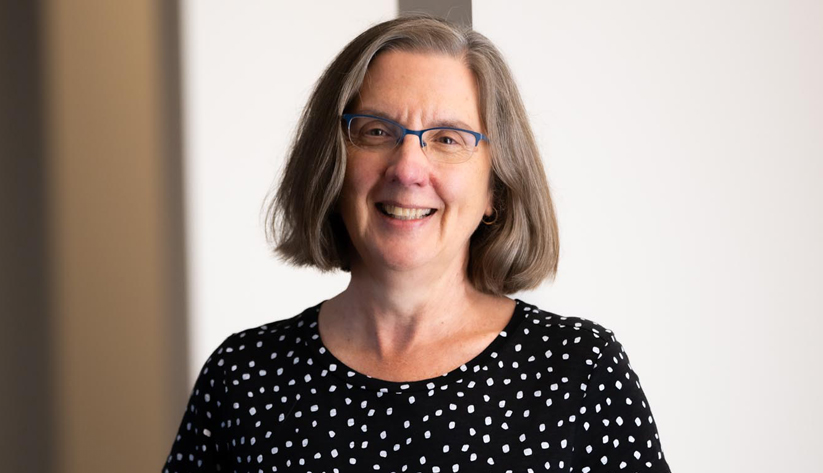
December 4, 2025 n nThe Atlanta Fed ‘s Claire Greene. Photo by Stephen Nowland n nThe Atlanta Fed plays a number of key roles in the payments industry, including operator, supervisor, and researcher. The Bank ‘s district—which encompasses Alabama, Florida, Georgia, and portions of Louisiana, Mississippi, and Tennessee—is also a major hub for domestic payments. About 70 percent of US payments flow through Atlanta, earning the metro area the nickname of “Transaction Alley.” n nThe Bank ‘s Payments Forum works with financial institutions, the industry, regulators, and law enforcement officials to research and discuss ways to reduce risk in paper, plastic, and digital payments. n nClaire Greene has been part of the Payments Forum since 2018. During that time, she ‘s researched many aspects of payments systems and shared the findings with policymakers and the general public. In her numerous blog posts in the Atlanta Fed ‘s Take on Payments blog, Greene—along with her Payments Forum colleagues—shares insights about payments trends, risks, and opportunities and connects payments to everyday life. In the latest edition of our Faces of the Atlanta Fed series, Greene, a Payments Forum director, shares insights into her role and the mission that drives her team. n nBroadly speaking, why is the Atlanta Fed ‘s Payments Forum important, and how do its efforts connect with the Fed ‘s core mission work? n nPayments underpin the economic life of our country. Businesses, financial institutions, and consumers all need payments access to participate fully in that life. The Fed system, and the Atlanta Fed in particular, play a critical role in the nation ‘s payment system by providing services, processing payments, and researching issues related to payments. n nThe Fed is a data-driven organization, and payments data can help drive decision making by many actors in our economy. It can help Federal Reserve Financial Services predict future needs for machinery to process cash. It can help economists understand consumer use of credit. And it can give innovators ideas about the next payment start-up. n nHow is the ever-evolving payments landscape shaping your team ‘s work? n nPayments are changing rapidly. Survey data, with its time lags, need to be amplified by qualitative research. My colleagues in the Payments Forum meet regularly with experts at financial institutions, fintechs, payments processers, state and federal agencies, and law enforcement. Our team works to support innovation, identify emerging risks, and educate consumers and businesses. We ‘re specifically aiming to gather insights that may not be appearing in the quantitative data just yet. n nWhat are some emerging issues the team is examining? n nMy colleagues are looking into digital identity mechanisms and their ability to support access to payments, at the workings and impact of inventions like crypto assets and stablecoins, at prevention of check and other kinds of fraud, and at the new credit tool buy now pay later. I ‘m especially interested in discounting and surcharging for various payment methods at the retail point of sale. n nTell us more about your role at the Atlanta Fed. n nI collaborate with Fed colleagues on two Federal Reserve surveys: The Federal Reserve Payments Study and the Survey and Diary of Consumer Payment Choice. I work on question design, data reporting, and data analysis, with the goal of sharing this important data with a broad audience. n nFor more than two decades, the Federal Reserve Payments Study has reported the number and value of noncash payments in the United States. The survey tracks trends with implications for financial institutions, businesses, consumers, and the Fed ‘s own payments processing activities. The Atlanta Fed is collecting the 2024 data now, which will be verified and then used to estimate nationally representative totals, which will be released next spring. n nThe Survey and Diary of Consumer Payments Choice also was in the field this fall. Throughout the month of October, we asked consumers about how they pay. Like the Federal Reserve Payments Study, this data, which has been collected in various forms since 2008, shows the evolution of the payments system and emerging trends. One unique aspect of the survey is that respondents report every payment they make over a three-day period and provide a massive amount of specific detail. This is unusual because many surveys only ask hypothetical questions, which are not necessarily what comes about in real life. n nWhat has your attention in the payments space right now? n nWith rapid change in payments systems, there is the risk that some consumers and businesses could be left out. Improving economic mobility and resilience is a key part of the Atlanta Fed ‘s maximum employment mandate—making sure everyone has full access to the various payments methods is part of that achieving that mandate. n nIn 2021, the Atlanta Fed formed a two-year committee that explored solutions to help cash-reliant individuals better connect to the economy and innovative financial services. n nWhat ‘s the best thing about your job and working at the Atlanta Fed? n nI just love the variety of this job. Every day is different. I am so fortunate in the colleagues I work with here in Atlanta, at the Jacksonville Branch, at the Boston Fed , in Federal Reserve Financial Services , and at the Board of Governors . Many of them have vast technical expertise, and I learn from them every day. n nIn one word, how would you describe Atlanta ‘s fintech scene? n nPowerhouse. The fintech scene in Atlanta is interconnected and supportive at scale. You have access to big thinkers, world-renowned doers, strong financial institutions, and influential policymakers. n nWhat trend excites you most in fintech over the next 12 months?