Money laundering stands among the most serious financial crimes today, posing direct and indirect threats to the monetary and financial stability of nations, including Egypt. It creates artificial demand for foreign currency, depleting foreign reserves, while law enforcement agencies intensify efforts to combat individuals undermining the national economy, achieving notable successes recently.
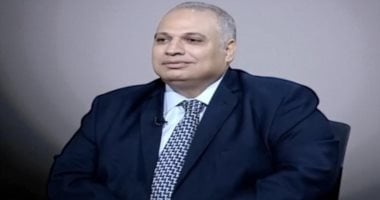
Dr. Mohamed El-Johari, economic expert and head of Oxford Center for Economic Studies, explained that money laundering involves legitimizing funds derived from illegal activities such as drug trafficking, corruption, tax evasion, and illicit trade, by channeling them through the financial system in multiple stages.
He elaborated that the process typically unfolds in three phases: placement, where illicit cash enters the banking system; layering, involving complex transactions to obscure the origin; and integration, where the funds re-enter the economy as seemingly legitimate investments or business ventures.
El-Johari stressed that such activities pose a major threat to Egypt’s national economy, eroding confidence in the banking sector, distorting the investment climate, reducing tax revenues, and enabling further criminal operations.
He added that money laundering inflates artificial demand for foreign exchange, drains reserves, fuels parallel markets, and leads to sharp fluctuations in exchange rates, undermining monetary stability efforts.
Egypt continues enhancing anti-money laundering measures through updated legislation, strengthening the Financial Intelligence Unit, expanding financial inclusion, and tightening oversight on international transfers. Combating this crime, he emphasized, is a national imperative to safeguard economic integrity, stabilize exchange rates, and support sustainable development.
— news from اليوم السابع
— News Original —
خبير اقتصادى: غسيل الأموال يؤثر سلبا على سعر الصرف وخطر على الاقتصاد القومى
يعد غسل الأموال من أخطر الجرائم الاقتصادية في العصر الحديث، لما له من آثار مباشرة وغير مباشرة على الاستقرار المالي والنقدي للدول، ومن بينها مصر، بالإضافة إلى أنها تحدث طلبا وهميا على الدولار يستنزف الاحتياطى النقدى، وتبذل الأجهزة الامنية جهوداً كبرى، للقضاء على المجرمين الذين يعبثون فى الاقتصاد الوطنى، وحققت نجاحات كبيرة فى الآوانة الأخيرة. n nويوضح الدكتور محمد الجوهري، الخبير الاقتصادي ورئيس مركز أكسفورد للدراسات الاقتصادية، ما هية عملية غسل الأموال ، قائلاً:” هى عملية إضفاء الصفة القانونية على أموال ناتجة عن أنشطة غير مشروعة، مثل تجارة المخدرات، الفساد، التهرب الضريبي، والاتجار غير المشروع، وذلك من خلال إدخالها في النظام المالي عبر عدة مراحل”. n nوأكمل “الجوهرى”، فى تصريحات خاصة، :”تمر عمليات غسل الأموال بثلاث مراحل رئيسية الإيداع، حيث يتم إدخال الأموال في النظام المصرفي ثم التمويه عبر تحويلات ومعاملات معقدة لإخفاء المصدر الحقيقي وأخيرًا الدمج بإعادة ضخ الأموال في الاقتصاد كمشروعات أو استثمارات تبدو مشروعة”. n nوشدد الخبير الاقتصادى، على أن هذه العمليات خطرا كبيرا على الاقتصاد القومي المصري، إذ تضعف الثقة في الجهاز المصرفي، وتشوه بيئة الاستثمار، وتؤدى إلى فقدان جزء من الإيرادات الضريبية، فضلًا عن دعم أنشطة غير قانونية. n nوأشار “الجوهرى”، إلى أن غسل الأموال يزيد الطلب غير الحقيقي على العملة الأجنبية، ويستنزف الاحتياطي النقدى، ويغذي السوق الموازية، ما يؤدي إلى تقلبات حادة في سعر الصرف ويقوض جهود الاستقرار النقدى. n nوأكد أن الدولة المصرية تبذل جهودا متواصلة لمكافحة غسل الأموال عبر تحديث التشريعات، وتعزيز دور وحدة مكافحة غسل الأموال، والتوسع في الشمول المالي، وتشديد الرقابة على التحويلات الدولية، وتابع:” مواجهة غسل الأموال تمثل ضرورة وطنية لحماية الاقتصاد القومي، واستقرار سعر الصرف، ودعم مسار التنمية المستدامة”.