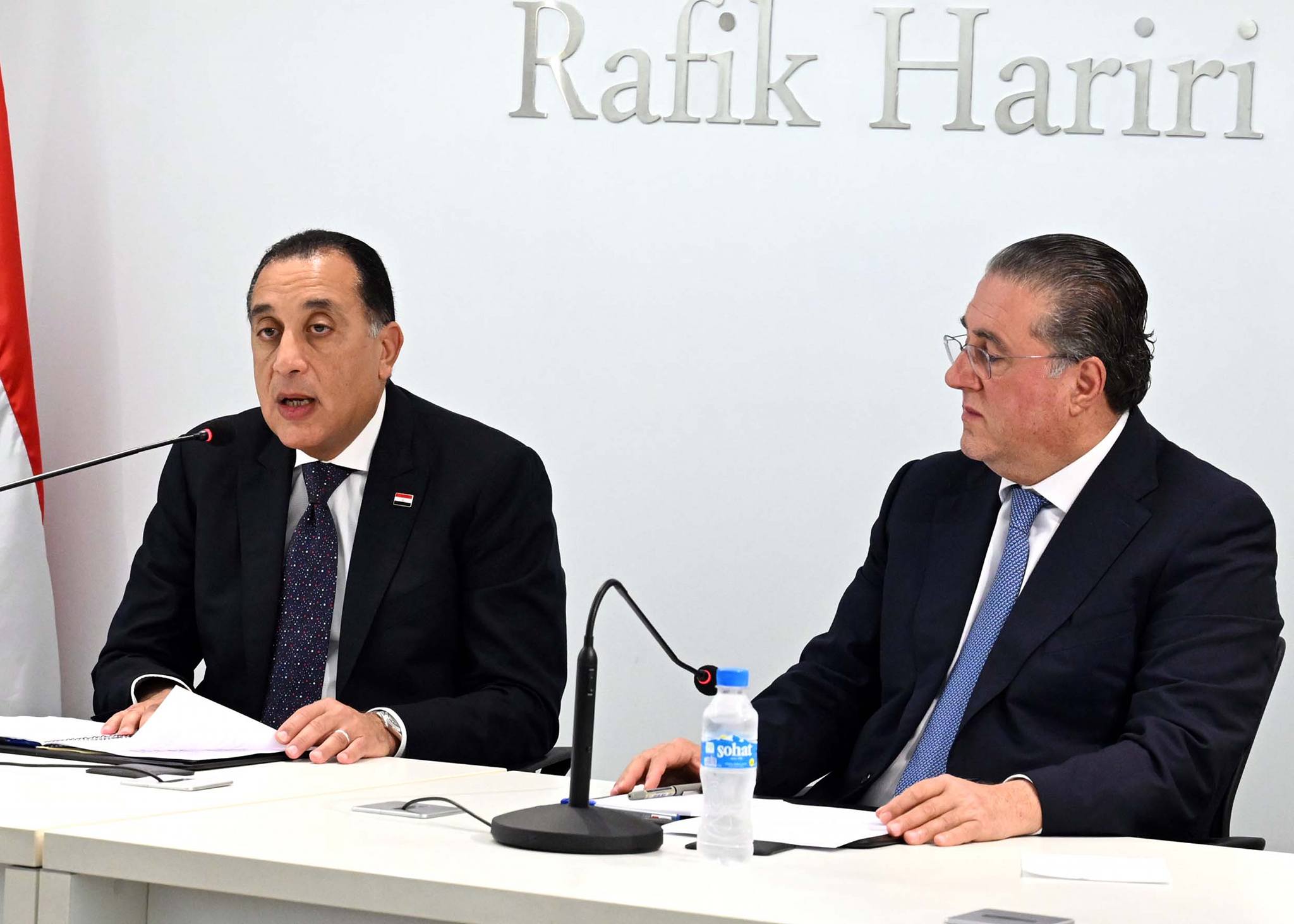
Prime Minister Dr. Mostafa Madbouly delivered remarks during an economic forum titled “On the Prospects of Economic and Trade Cooperation between Egypt and Lebanon,” held in Beirut and attended by representatives from Lebanese economic authorities, chambers of commerce, and private investors. He expressed satisfaction at participating in a gathering of key economic stakeholders, underscoring the significance of Egypt and Lebanon’s efforts to strengthen bilateral cooperation across various domains.
Madbouly extended gratitude to Lebanon’s economic institutions and Mohammad Shqeir, head of the Lebanese Economic Council, for their hospitality and initiative, which reflects the private sector’s pivotal role in driving economic recovery. He emphasized that his presence in Beirut sends a clear message: Egypt views Lebanon not only as a political ally but as a strategic economic partner, with private-sector engagement being crucial to shaping the future of state relations.
He acknowledged Lebanon’s current challenges while highlighting opportunities for rebuilding on more resilient and sustainable foundations. Drawing from Egypt’s own experience with comprehensive economic reforms in recent years, he affirmed that recovery is achievable with strong political will, clear vision, and effective public-private collaboration.
The Prime Minister noted the significant and successful presence of Lebanese investments in Egypt, with Lebanese entrepreneurs having long contributed actively to Egypt’s economic landscape across vital sectors. He described these investments as proof of Lebanese capital’s ability to integrate and directly support Egypt’s market growth.
According to Madbouly, deeper economic and trade cooperation between the two nations is no longer optional but a mutual necessity. Egypt offers a broad industrial base and accumulated expertise in infrastructure, energy, and manufacturing, while Lebanon brings a highly skilled workforce and a dynamic private sector well-positioned to lead in regional trade and services.
He pointed out that despite the trade volume between Egypt and Lebanon rising steadily over the past four years and surpassing $1 billion in 2024, it remains below potential. He identified real opportunities to expand trade by eliminating procedural obstacles and encouraging direct partnerships between Egyptian and Lebanese firms to generate mutual value.
Madbouly stressed the importance of reconstruction efforts in southern Lebanon, where urgent needs exist in infrastructure, electricity, water, roads, and telecommunications. He affirmed that Egyptian public and private companies possess extensive experience in executing large-scale projects and are ready to form genuine partnerships with Lebanese counterparts to support national development initiatives.
This cooperation, he clarified, goes beyond exporting goods or services—it involves long-term collaboration through knowledge transfer, workforce training, joint investments, and leveraging available Arab and international funding for reconstruction and sustainable development. He also emphasized energy cooperation, whether in conventional power projects or expanding renewable energy, noting Egypt’s expertise in this area could help reduce burdens on citizens and support economic stability.
He added that successful economic progress requires a stable business environment, clear regulatory frameworks, and mutual trust between government and private sector. He commended Lebanon’s economic councils for advocating private-sector interests and pushing for reforms that ensure economic sustainability.
The Egyptian government, Madbouly affirmed, is open to working with Lebanese business leaders, investors, and the Lebanese government to establish practical cooperation mechanisms—through joint committees, business forums, or permanent investor platforms—to move from goodwill to tangible projects.
In closing, he reaffirmed Egypt’s steadfast support for Lebanon, both state and people, in its journey toward recovery and stability. He expressed belief that the private sector is the true engine of growth and that well-managed Egyptian-Lebanese cooperation could serve as a successful model of Arab economic integration. He looked forward to productive discussions that would translate this meeting into concrete actions benefiting both nations.
— news from جريدة حابي
— News Original —
رئيس الوزراء: التبادل التجاري بين مصر ولبنان تجاوز مليار دولار في 2024
ألقى الدكتور مصطفى مدبولي، رئيس مجلس الوزراء، كلمة، خلال حضوره لقاء العمل الاقتصادي الذي عقد تحت عنوان “حول آفاق التعاون الاقتصادي والتجاري بين مصر ولبنان”، بالعاصمة اللبنانية بيروت بمشاركة مسئولي الهيئات الاقتصادية وغرفة التجارة والصناعة بلبنان. n nوأعرب رئيس الوزراء عن سعادته بوجوده ومشاركته في لقاء اليوم الذي يضم رؤساء كل من الهيئات الاقتصادية والغرف التجارية والصناعية، وأصحاب الأعمال والمستثمرين اللبنانيين، مؤكداً على ما يمثله هذا اللقاء من أهمية بالغة في ضوء حرص البلدين الشقيقين مصر ولبنان على دعم علاقات التعاون بينهما في مختلف المجالات. n nوتوجه رئيس الوزراء بالشكر إلى الهيئات الاقتصادية اللبنانية وغرفة التجارة والصناعة، وإلى محمد شقير، رئيس الهيئات الاقتصادية اللبنانية على حُسن الاستقبال والتنظيم، وعلى هذه المبادرة التي تعكس إيمان القطاع الخاص اللبناني بدوره المحوري في إعادة النهوض الاقتصادي، قائلا: “مما لا شك فيه، فإن وجودي في بيروت اليوم يحمل رسالةً واضحة مُفادها أن مِصْرَ تنظر إلى لبنان ليس فقط كشريك سياسي، بل كشريك اقتصادي محوري واستراتيجي، وإننا نُؤمن بأن العلاقات بين الدول تُبنى وتُصانُ عندما يكون للقطاع الخاص دور فاعل في صياغة مستقبلها”. n nوأشار رئيس الوزراء إلى أن لبنان تمر اليوم بمرحلة دقيقة، مليئة بالتحديات، لكنها في الوقت ذاته تحمل فرصاً حقيقية لإعادة البناء على أسس أكثر صلابة واستدامة، لافتا إلى أن مصر التي خاضت خلال السنوات الماضية تَجربةَ إصلاحٍ اقتصادي شاملة، تدرك حجم التحديات التي يُواجهها لبنان اليوم، وتؤمن بأن التعافي مُمكنٌ متى توافرت الإرادة والرؤية والشراكة الفاعلة بين الدولة والقطاع الخاص. n nوفي هذا السياق، أشار رئيس الوزراء إلى الحضور القوي والناجح للاستثمارات اللبنانية في مصر، موضحاً أن المستثمرين اللبنانيين شكلوا عبر عقود جُزءاً فاعلاً ونَشِطاً من النسيج الاقتصادي المصري، وأسهموا بفاعلية في قطاعات حيوية مختلفة، مضيفاً: تُعد هذه الاستثمارات خَيرَ دليل على قُدرة رأس المال اللبناني على الاندماج والمساهمة المباشرة في نمو السوق المصرية. n nمن هذا المنطلق، أوضح رئيس الوزراء أن تعزيز التعاون الاقتصادي والتجاري بين مصر ولبنان لم يعد خياراً، بل ضرورة متبادلة، مشيراً إلى أن مصر تمتلك قاعدةً صناعيةً واسعةً، وخبرةً متراكمةً في مجالات البنية التحتية والطاقة والصناعات التحويلية، فيما يتمتع لبنان برأس مال بشري مُتميز، وقطاع خاص ديناميكي يساعده في لعب دور محوري في التجارة والخدمات في المنطقة. n nوأضاف الدكتور مصطفى مدبولي: إِنَّ حجمَ التبادل التجاري بين مصر ولبنان، ورغم أنه في تنامٍ مستمر على مدار السنوات الأربع الأخيرة لِيتجاوزَ حاجز المليار دولار عام 2024، فإنه لا يزال دون مستوى الطموحات والإمكانات المتاحة، مشيرا إلى وجود فرصة حقيقية لزيادة حجم التبادل التجاري، من خلال إزالة العوائق الإجرائية أو عبر تشجيع الشراكات المباشرة بين الشركات المصرية واللبنانية، بما يحقق قيمةً مضافةً للطرفين. n nونوه رئيس الوزراء إلى أن موضوع إعادة الإعمار في لبنان يَكتسبُ أهمية خاصة في هذه المرحلة، ولاسيما في الجنوب اللبناني، حيث تَبْرزُ حاجات ملحّة في قطاعات البنية التحتية، والكهرباء، والمياه، والطرق، والاتصالات، مؤكداً في هذا الصدد أن الشركات المصرية، العامة والخاصة، تمتلك خبرات عملية واسعة في تنفيذ مشروعات كبرى في مختلف المجالات، وعلى أتم الاستعداد للدخول في شراكات حقيقية مع القطاع الخاص اللبناني للمساهمة الفعلية والملموسة في كافة المجهودات الوطنية للتنمية. n nوأوضح رئيس الوزراء أننا لا نتحدث عن تصدير خدمات أو منتجات فقط، بل عن شراكة طويلة الأمد، تقوم على نقل الخبرة، وتدريب الكوادر، والاستثمار المشترك، والاستفادة من التمويل العربي والدولي المتاح لمشروعات إعادة الإعمار والتنمية المستدامة، مضيفاً: نُولي أيضاً أهميةً خاصةً للتعاون في قطاع الطاقة، سواء عبر دعم مشروعات الكهرباء التقليدية أو من خلال التوسع في الطاقة الجديدة والمتجددة، لافتا إلى أن مصر تمتلك خبرة كبيرة في هذا المجال يمكن الاستفادة منها، بما يخفف الأعباء عن الدولة والمواطنين ويدعم الاستقرار الاقتصادي. n nولفت الدكتور مصطفى مدبولي إلى أن نجاحَ أي مسار اقتصادي يتطلب بيئة أعمال مستقرة، وإطاراً تنظيمياً واضحاً، وثقةً مُتبادلة بين الدولة والقطاع الخاص، مثمناً في هذا الصدد الدور الذي تقوم به الهيئات الاقتصادية اللبنانية في الدفاع عن مصالح القطاع الخاص، وفي الدفع نحو الإصلاحات التي تضمن استدامة الاقتصاد اللبناني. n nوأكد رئيس الوزراء أن الحكومة المصرية منفتحة على العمل مع رجال الأعمال والمستثمرين ومع الحكومة اللبنانية الشقيقة لتفعيل آليات تعاون عملية، سواء عبر لجان مشتركة أو منتديات أعمال، أو منصات دائمة للتواصل بين المستثمرين، بما يضمن الانتقال من النوايا الحسنة إلى المشروعات الملموسة. n nواختتم رئيس الوزراء كلمته بتجديد التأكيد على أن مِصْرَ ستبقى إلى جانب لبنان، دولةً وشعباً، في مسيرته نحو التعافي والاستقرار، قائلا: “ونحن نُؤمن بأن القطاع الخاص هو القاطرة الحقيقية للنمو، وبأن التعاون المصري اللبناني، إذا ما أُحسن استثماره، قادرٌ على أن يُشكّل نموذجاً ناجحاً للتكامل الاقتصادي العربي”، متطلعا إلى نقاشات مثمرة تُترجم هذا اللقاء إلى خطوات عملية تعود بالنفع على البلدين والشعبين الشقيقين.