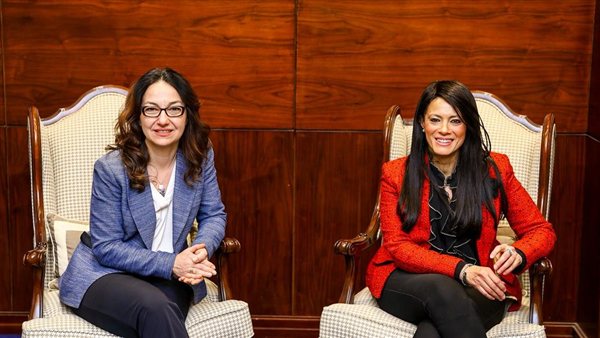
Dr. Rania El-Mashat, Egypt’s Minister of Planning, Economic Development, and International Cooperation, hosted a delegation from the World Bank led by Galina Andronova Vinceliet, Vice President for Operational Policy and Country Services, to discuss ongoing collaboration between Egypt and the World Bank Group. The meeting focused on key joint initiatives, including the Greater Cairo Air Pollution Management Project (GCPP), aimed at reducing air and climate emissions from vital sectors while strengthening resilience to air pollution in the capital region. The project is backed by $200 million in financing from the World Bank and a $9.3 million grant from the Global Environment Facility (GEF). Dr. El-Mashat emphasized the central role of the private sector as a catalyst in Egypt’s national development agenda, aligning with the country’s comprehensive development narrative.
Discussions also covered Egypt’s foreign direct investment (FDI) strategy, the B-Ready business readiness report, the blue economy strategy, and the Climate Investment Funds (CIF), particularly the Nature, People, and Climate (NPC) program, in which Egypt has been selected as a participant. The NPC program focuses on climate-smart agriculture, agro-industries, and coastal ecosystems. Egypt, one of the founding members of the World Bank and the third-largest contributor in the Middle East and North Africa region, highlighted the long-standing partnership dating back to 1959, which has significantly contributed to socioeconomic progress and improved living standards for millions.
The minister outlined Egypt’s national comprehensive development narrative, a unifying framework linking vision, policy, and implementation to drive sustainable and inclusive growth. This narrative aligns with national priorities, updated sectoral strategies, and ongoing reform efforts, promoting an economic model centered on human capital. It emphasizes continued economic reform with a stronger focus on high-productivity, tradable sectors.
Green transformation is a core pillar of this development vision, integrating environmental sustainability across sectors such as urban development, water, energy, agriculture, industry, transport, infrastructure, and biodiversity. Emphasis is placed on climate-resilient cities, sustainable resource management, low-carbon growth, and climate-smart practices, with a strong focus on enhancing resilience to climate risks.
The World Bank has served as a key knowledge partner in shaping this narrative, with over 100 experts contributing through six specialized working groups. The framework includes a medium-term plan with clear performance indicators for all ministries and government entities, set to integrate with a national integrated development financing strategy that links planning to performance-based budgeting.
Key pillars and indicators of the 2025–2026 socioeconomic development plan were also presented, targeting investments of 3.5 trillion EGP for the first time, with private sector investments accounting for 63% of the total—up from 37% for public investments—while adhering to a cap on public investment as part of broader fiscal discipline and public spending efficiency efforts.
On development policy financing, the government and the World Bank agreed on a matrix aligned with structural reforms, focusing on three main areas: enhancing economic competitiveness by improving the business environment and increasing private sector participation; building macroeconomic and financial resilience against external shocks; and supporting the green transition through climate adaptation, low-carbon development, renewable energy expansion, and improved efficiency in electricity, water, and sanitation services.
The meeting was attended by Maria Sarraf, Regional Director for Environment, Natural Resources, and Blue Economy in the Middle East, North Africa, Afghanistan, and Pakistan; Stefan Gimbler, World Bank Country Director for Egypt, Yemen, and Djibouti; and their respective technical teams.
— news from المصدر
— News Original —
Egypt Discusses Joint Efforts with World Bank to Boost Economic Development and Climate Investments
استقبلت الدكتورة رانيا المشاط، وزيرة التخطيط والتنمية الاقتصادية والتعاون الدولي، وفد البنك الدولي برئاسة غالينا أندرونوفا فينسيليت نائب رئيس البنك الدولي لشئون سياسة العمليات والخدمات القُطرية في مجموعة البنك الدولي، لمناقشة عدد من ملفات التعاون بين مصر ومجموعة البن. n nوبحث الجانبان، عددًا من ملفات التعاون ومنها مشروع إدارة تلوث الهواء بالقاهرة الكبرى “GCCC”، والذي يهدف إلى إدارة تلوث الهواء بالقاهرة الكبرى إلى خفض انبعاثات الهواء والمناخ من القطاعات الحيوية، مع تعزيز القدرة على مواجهة تلوث الهواء في القاهرة الكبرى، حيث بلغ إجمالي التمويل 200 مليون دولار من البنك الدولي، ومنحة بقيمة 9.3 مليون دولار من مرفق البيئة العالمية “GEF”، وأكدت الدكتورة رانيا المشاط أهمية مشاركة القطاع الخاص باعتباره ركيزة مركزية ومحفّزة في أجندة التنمية لحكومة مصر، بما يتماشى مع السردية الوطنية للتنمية الشاملة. n nكما بحثا ما يتعلق باستراتيجية الاستثمار الأجنبي المباشر “FDI”، وتقرير جاهزية الأعمال B-Ready، استراتيجية الاقتصاد الأزرق، بالإضافة إلى مبادرة صناديق الاستثمار المناخي “CIF” “برنامج الاستثمار في الطبيعة والبشر والمناخ “NPC””، حيث تم اختيار مصر للمشاركة في البرنامج، مع التركيز على الزراعة الذكية مناخيًا، والصناعات الزراعية، والنظم البيئية الساحلية. n nوأوضحت الدكتورة رانيا المشاط، في بيان، أن مصر تُعد واحدة من الأعضاء المؤسسين للبنك الدولي وثالث أكبر مساهم فيه في منطقة الشرق الأوسط وشمال أفريقيا، مؤكدة عمق الشراكة بين مصر ومجموعة البنك الدولي والعلاقات الممتدة منذ عام 1959، مؤكدة مساهمة تلك الشراكة الممتدة بشكل كبير في التقدم الاجتماعي والاقتصادي في مصر، وتأثيرها على حياة ملايين المواطنين. n nوتطرقت “المشاط”، خلال اللقاء إلى السردية الوطنية للتنمية الشاملة، موضحة أنها تمثل إطارًا جامعًا يربط بين الطموح والسياسات والتنفيذ، مسترشدًا برؤية مشتركة لتحقيق نمو مستدام وشامل، بما يدفع التغيير الاقتصادي ويحسّن جودة الحياة، مؤكدةً أن السردية تتسق مع الأولويات الوطنية والاستراتيجيات القطاعية المحدثة وجهود الإصلاح الجارية، وتعرض النموذج الاقتصادي المصري المرتكز على الإنسان، بهدف مواصلة مسار الإصلاح الاقتصادي مع تركيز أقوى على القطاعات عالية الإنتاجية والقابلة للتداول. n nوأضافت، أن التحول الأخضر يمثل محورًا أساسيًا في السردية، حيث يدمج الاستدامة البيئية في مسار النمو المصري عبر جميع القطاعات، بما في ذلك التنمية العمرانية، المياه، الطاقة، الزراعة، الصناعة، النقل، بالإضافة إلى البنية التحتية، والتنوع البيولوجي، مع التركيز على المدن القادرة على التكيف مع المناخ، والإدارة المستدامة للموارد، والنمو منخفض الانبعاثات الكربونية، والممارسات الذكية مناخيًا، مع التركيز القوي على تعزيز القدرة على الصمود أمام المخاطر المناخية. n nوأشارت، إلى دور البنك الدولي كشريك معرفي رئيسي لمصر في إعداد السردية الوطنية، حيث شارك أكثر من 100 خبير من خلال 6 مجموعات عمل متخصصة، متابعه أن السردية تتضمن خطة متوسطة الأجل بمؤشرات أداء رئيسية واضحة لجميع الوزارات والجهات الحكومية، ومن المقرر أن تتكامل مع تبني استراتيجية تمويل وطنية متكاملة للتنمية، تربط السردية بنهج إعداد الموازنة على أساس الأداء. n nكما استعرضت الركائز والمؤشرات الرئيسية لخطة التنمية الاقتصادية والاجتماعية 2025-2026، التي تستهدف استثمارات بقيمة 3.5 تريليون جنيه لأول مرة، مع وصول استثمارات القطاع الخاص إلى 63% من الإجمالي، مقابل 37% للاستثمارات العامة، مع الالتزام بسقف للاستثمارات العامة في إطار جهود حوكمة وترشيد الإنفاق العام. n nوفيما يخص تمويل سياسات التنمية، أشارت “المشاط”، إلى اتفاق الحكومة مع البنك الدولي على مصفوفة لسياسات التنمية تتماشى مع الإصلاحات الهيكلية للحكومة، وتعالج 3 محاور رئيسية تتمثل في تعزيز التنافسية الاقتصادية من خلال زيادة المنافسة وتحسين بيئة الأعمال لمشاركة أكبر من القطاع الخاص، وبناء المرونة المالية والاقتصادية الكلية في مواجهة الصدمات الخارجية، بالإضافة إلى دعم التحول الأخضر عبر تعزيز القدرة على التكيف مع تغير المناخ، وتشجيع التنمية منخفضة الكربون، والتوسع في الطاقة المتجددة، وزيادة كفاءة الكهرباء والمياه والصرف الصحي. n nجاء ذلك بحضور ماريا صراف، المديرة الإقليمية لممارسات البيئة والموارد الطبيعية والاقتصاد الأزرق لمنطقة الشرق الأوسط وشمال أفريقيا، وأفغانستان وباكستان، وستيفان جيمبرت المدير الإقليمي للبنك الدولي لمصر واليمن وجيبوتي، وفريق عمل البنك.