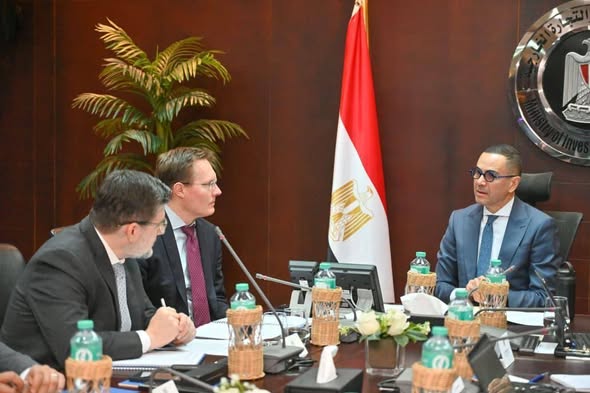
Hassan El-Khatib, Egypt’s Minister of Investment and Foreign Trade, met with a delegation from Moody’s credit rating agency to discuss recent developments in the Egyptian economy and ongoing economic, institutional, and investment reforms. He emphasized that the government is implementing a comprehensive program to restructure economic policies, with monetary policy serving as the foundation for broader reforms. These measures have contributed to a notable improvement in net foreign assets and record-high levels of foreign reserves. n nEl-Khatib highlighted a strategic and pragmatic approach to energy pricing and subsidy management, aimed at enhancing efficiency and correcting economic distortions. These adjustments, he explained, support macroeconomic balance and strengthen the economy’s resilience against inflationary pressures, paving the way for sustainable and balanced growth in the medium term. n nIn fiscal policy, a major shift has occurred in coordination with the Ministry of Finance, centered on simplifying the tax system and building trust-based relationships with the business community. Tax revenues have risen by 35% over the past year—the highest annual increase since 2005—reflecting improved compliance and administrative efficiency. n nForeign trade has been prioritized, with customs clearance times reduced from around 16 days to nearly five, with a target of reaching two days. These improvements have generated annual savings estimated in the billions of dollars. Operational efficiency has also increased through decisions to operate ports seven days a week instead of five and extend working hours, lowering costs for investors. Numerous non-tariff barriers accumulated over years have been removed through close coordination with the private sector, reflecting a genuine public-private partnership. n nThe minister affirmed Egypt’s full adherence to World Trade Organization rules, noting the country’s capacity to address global challenges and enhance national economic competitiveness. Egypt has successfully implemented over 20 technical safeguard measures on certain products in line with international standards, demonstrating its commitment to protecting domestic industries while maintaining an open and attractive investment environment. n nImproving the business climate and advancing digital transformation are central to the reform agenda. Previously, investors had to interact with around 41 agencies to obtain 460 licenses and services, with procedures taking an average of 24 months. The government aims to reduce this to under 90 days by re-engineering processes and launching a unified digital platform. This includes an investment map showing available land, targeted activities, and pre-approved permits, enabling immediate project implementation. n nThe state aims for sustainable annual economic growth between 6% and 7%, driven by increased investment, particularly foreign direct investment (FDI). The minister stressed that investment volume, rather than traditional indicators, will be the primary growth metric in the coming phase. Current FDI inflows average around $12 billion annually, with real potential to double this figure through ongoing reforms. n nTourism, a key growth engine, is being revitalized through an investment map identifying opportunities in the North Coast, Red Sea, and other regions, specifying precise needs for hotels and specialized tourism projects to expand capacity and maximize returns on tourism assets. n nState asset management is another reform pillar, with the sovereign wealth fund focused on maximizing returns rather than passive ownership. El-Khatib outlined a strategic vision centered on five pillars: renewable energy and data centers; electronic chips to support advanced technology; infrastructure to attract investors and ensure efficient project execution; operational models for effective project management; and applications and artificial intelligence to develop data and modern technologies, ensuring full integration across all areas. n
— News Original —nntitle: وزير الاستثمار: الحكومة تنفذ برنامجاً شاملاً لإعادة هيكلة السياسات الاقتصاديةnncontent: التقى حسن الخطيب، وزير الاستثمار والتجارة الخارجية، وفد وكالة “موديز” للتصنيف الائتماني؛ حيث استعرض تطورات الاقتصاد المصري، والإصلاحات الاقتصادية والمؤسسية والاستثمارية التي تنفذها الوزارة. n nوأكد الوزير أن الحكومة تنفذ برنامجاً شاملاً لإعادة هيكلة السياسات الاقتصادية، وفي مقدمتها السياسة النقدية، باعتبارها الأساس الذي تُبنى عليه باقي الإصلاحات، موضحاً أن القرارات المتخذة أسهمت في تحقيق تحسن ملموس في صافي الأصول الأجنبية والاحتياطي النقدي، مع تسجيل مستويات غير مسبوقة. n nوأشار إلى أن الحكومة تبنت نهجاً استراتيجياً وواقعياً في إدارة ملف الدعم وتسعير الطاقة؛ بهدف تعزيز الكفاءة وتصحيح التشوهات الاقتصادية، موضحاً أن هذه الإجراءات تسهم في تحقيق التوازن الاقتصادي، وتعزز قدرة الاقتصاد على مواجهة الضغوط التضخمية، بما يدعم نمواً مستداماً ومتوازناً على المدى المتوسط. n nوأوضح أن السياسة المالية شهدت تحولاً جوهرياً بالتعاون مع وزارة المالية، من خلال تبسيط المنظومة الضريبية وبناء علاقة قائمة على الثقة مع مجتمع الأعمال. وأشار إلى أن الحصيلة الضريبية ارتفعت بنسبة 35% خلال عام واحد، وهو أعلى معدل منذ عام 2005. n nولفت إلى أن ملف التجارة الخارجية يحظى بأولوية قصوى؛ حيث نجحت الحكومة في خفض زمن الإفراج الجمركي من نحو ستة عشر يوماً إلى ما يقرب من خمسة أيام، مع استهداف الوصول إلى يومين، حيث أسهمت الإجراءات المتخذة في تحقيق وفر سنوي يُقدّر بمليارات الدولارات. n nونوه الخطيب إلى أن قرارات تشغيل الموانئ سبعة أيام في الأسبوع بدلاً من خمسة، وزيادة ساعات العمل، كان لها أثر مباشر في مضاعفة كفاءة التشغيل وخفض التكلفة على المستثمرين، مشيراً إلى إزالة عدد كبير من العوائق غير الجمركية التي تراكمت عبر سنوات، حيث تمت هذه الإصلاحات بالتنسيق الكامل مع القطاع الخاص في إطار شراكة حقيقية. n nوأكد الوزير التزام مصر الكامل بقواعد منظمة التجارة العالمية، مشيراً إلى قدرة الدولة على مواجهة التحديات العالمية وتعزيز تنافسية الاقتصاد الوطني، حيث بدأت مصر تطبيق إجراءات وقائية فنية على بعض المنتجات، وفقاً للمعايير الدولية، مع الانتهاء بنجاح من أكثر من 20 إجراءً وقائياً بالتعاون مع الجهات المعنية، مما يعكس حرص الدولة على حماية الصناعة الوطنية وتعزيز بيئة مفتوحة وجاذبة للاستثمار. n nوفيما يتعلق ببيئة الأعمال، قال الوزير إن تحسين بيئة الأعمال والتحول الرقمي يمثلان محوراً رئيسياً للإصلاح، موضحاً أن المستثمر كان يتعامل سابقاً مع نحو 41 جهة للحصول على 460 ترخيصاً وخدمة، وتستغرق الإجراءات في المتوسط 24 شهراً، حيث تهدف الحكومة إلى خفض هذه المدة إلى أقل من 90 يوماً عبر إعادة هندسة الإجراءات وإطلاق منصة رقمية موحدة، تشمل خريطة استثمارية تحدد الأراضي المتاحة والأنشطة المستهدفة والموافقات المسبقة، بما يتيح بدء التنفيذ فوراً. n nوأشار الوزير إلى أن الدولة تستهدف تحقيق معدل نمو اقتصادي مستدام يتراوح بين 6% و7% سنوياً، مدفوعاً بزيادة معدلات الاستثمار، لا سيما الاستثمار الأجنبي المباشر؛ إذ إن المؤشر الرئيسي للنمو خلال المرحلة المقبلة هو حجم الاستثمارات وليس فقط المؤشرات التقليدية. n nوأوضح أن متوسط تدفقات الاستثمار الأجنبي المباشر يبلغ حالياً نحو 12 مليار دولار سنوياً، مع وجود قدرة حقيقية على مضاعفة هذا الرقم من خلال الإصلاحات الجارية. n nوتناول الخطيب قطاع السياحة باعتباره أحد أهم محركات النمو، موضحاً أن الخريطة الاستثمارية الجاري إعدادها تشمل مناطق الساحل الشمالي، والبحر الأحمر، وغيرها، مع تحديد الاحتياجات الاستثمارية بدقة، سواء الفنادق أو المشروعات السياحية المتميزة، بما يسهم في رفع الطاقة الاستيعابية وتعظيم العائد من الأصول السياحية. n nونوه الخطيب إلى أن إدارة أصول الدولة تمثل محوراً رئيسياً في منظومة الإصلاح الاقتصادي، موضحاً أن الصندوق السيادي يستهدف تعظيم العائد من الأصول وليس مجرد الاحتفاظ بها. n nوأعرب الوزير عن أن رؤيته الاستراتيجية لمصر تركز على خمسة محاور أساسية: الطاقة (مع التركيز على المتجددة ومراكز البيانات)، والشرائح الإلكترونية لدعم التكنولوجيا الدقيقة، والبنية التحتية لجذب المستثمرين وتشغيل المشروعات بكفاءة، والنماذج التشغيلية لإدارة المشروعات بشكل فعال، وأخيراً التطبيقات والذكاء الاصطناعي لتطوير البيانات والتقنيات الحديثة وضمان تكامل جميع المحاور.