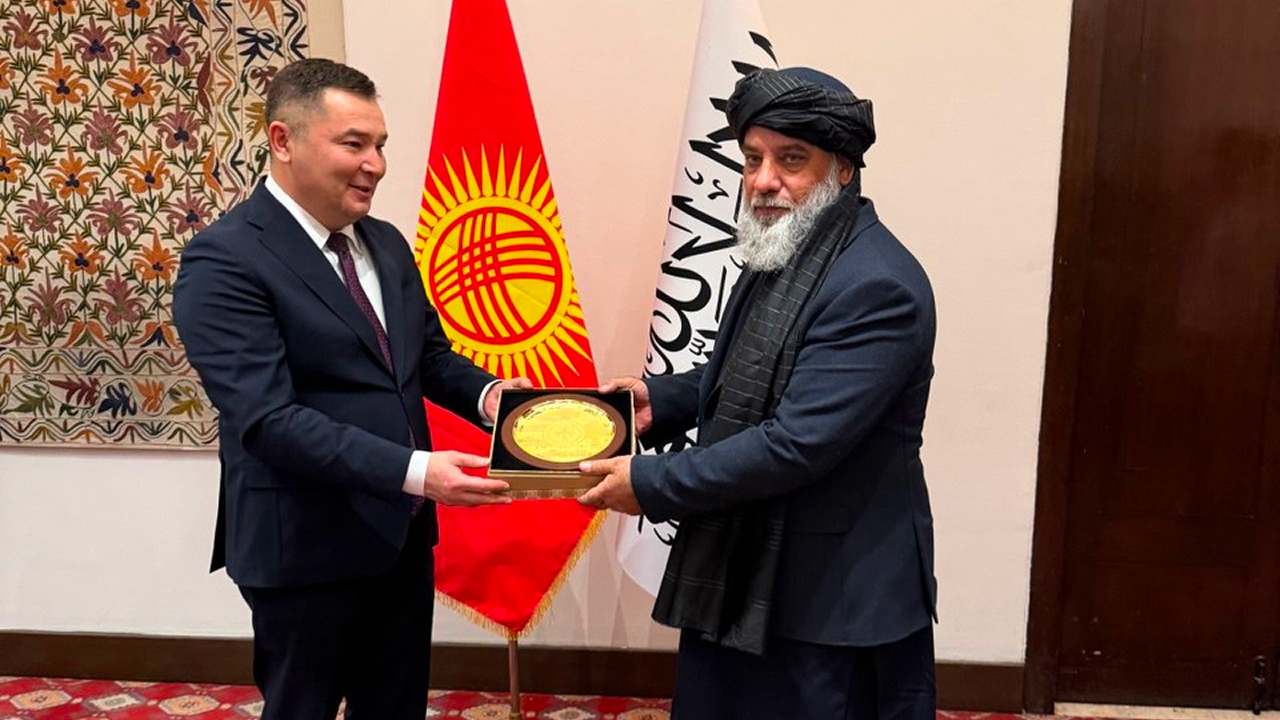
Kyrgyzstan has taken a strategic step toward deepening its economic relationship with Afghanistan by inaugurating a permanent Trade House in Kabul on December 6, 2025. This initiative aims to promote Kyrgyz exports, facilitate direct business connections, and explore investment opportunities in Afghanistan’s resource-rich but underdeveloped economy.
The move reflects Bishkek’s broader strategy to expand regional influence amid evolving geopolitical dynamics. Following Russia’s formal recognition of the Taliban-led government in July 2025, several Central Asian nations have pursued direct engagement with Afghanistan. Kyrgyzstan’s decision aligns with this trend, signaling its intent to secure early-mover advantages in a market of over 42 million people, despite persistent challenges.
Afghanistan offers potential in both consumer demand and natural resources, including minerals and energy reserves. However, low purchasing power, inadequate infrastructure, and logistical constraints continue to hinder large-scale commercial activity. Kyrgyz businesses will need to navigate these structural limitations while assessing long-term opportunities.
Security remains a critical concern. Threats from the Islamic State affiliate Wilayat Khorasan (ISKP), fragmented Taliban control, and entrenched criminal networks pose risks to trade operations and personnel safety. While the Taliban administration may offer nominal protection to encourage foreign engagement, systemic instability persists. Kyrgyz stakeholders are advised to implement robust security protocols, intelligence monitoring, and contingency plans.
The opening ceremony was attended by Kyrgyz Economy Minister Bakyt Sydykov and Afghan Industry and Trade Minister Nooruddin Azizi, underscoring the diplomatic significance of the initiative. The Trade House will serve as a platform for matchmaking, market research, and project development, particularly in sectors such as mining and agribusiness.
Politically, the move demonstrates Kyrgyzstan’s willingness to engage with the Taliban administration, enhancing its role in regional affairs. While this could strengthen bilateral ties and boost Bishkek’s profile in Central Asia, it may also draw scrutiny from Western nations that refrain from recognizing the current Afghan government.
Economically, the initiative is designed to foster gradual integration, allowing Kyrgyz firms to establish footholds before broader international re-engagement. Although immediate returns may be limited due to high operational costs and market constraints, the long-term goal is to build sustainable trade channels and influence in a strategically significant region.
The assessment concludes that while short-term gains will depend on improved stability and risk management, the Trade House represents a calculated effort to balance economic ambition with security realities. Over time, it could yield incremental benefits, deepen bilateral cooperation, and position Kyrgyzstan as a proactive player in Afghanistan’s evolving economic landscape.
— news from SpecialEurasia
— News Original —
Kyrgyzstan Expands Economic Engagement with Afghanistan
Executive Summary
This report examines Kyrgyzstan’s strategic expansion of economic engagement with Afghanistan through the establishment of a permanent Trade House in Kabul, assessing its political, economic, and security implications.
Key findings indicate that Bishkek is pursuing closer bilateral trade relations and investment opportunities despite persistent risks from insurgency, organised crime, and underdeveloped infrastructure.
The analysis highlights the initiative’s role in strengthening Kyrgyz influence in Afghan affairs while providing a platform to capitalise on regional market and resource potential.
Essential Findings
Kyrgyzstan officially opened a Trade House in Kabul on 6 December 2025, establishing a permanent economic platform aimed at promoting Kyrgyz products and facilitating direct business contacts between the two countries. Bishkek’s actions reflect a strategic intent to broaden bilateral trade relations and intensify its involvement in the economic sphere of Afghanistan.
This initiative represents a wider regional pattern among Central Asian nations to establish ties with the Taliban-led Islamic Emirate of Afghanistan, especially after Russia’s official acknowledgement of the government in July 2025. Kyrgyzstan’s action confirms its willingness to navigate the developing political environment to secure economic and strategic advantages.
The Afghan market provides access to over 42 million consumers, and extensive natural resources, which could represent investment opportunities for Kyrgyz companies. Notwithstanding low consumer spending capabilities and underdeveloped infrastructure continue to restrict significant commercial growth.
Persistent security challenges, including threats from Islamic State Wilayat Khorasan (ISKP), organised crime networks, and the Taliban’s incomplete territorial control, pose operational risks. These factors could undermine trade facilitation, logistics, and investor confidence, requiring careful risk mitigation and security planning.
Context
On December 16, 2025, in Kabul, the Minister of Economy of the Republic of Kyrgyzstan, Bakyt Sydykov, and the Afghan Minister of Industry and Trade, Nooruddin Azizi, attended the official opening of the Kyrgyz Trade House in the Afghan capital.
The establishment of the Kyrgyz Trade House in Kabul is occurring within the framework of a changing Central Asian involvement in Afghanistan. After Russia’s recognition of the Taliban government in July 2025, regional actors have increasingly sought direct economic and political interaction with Kabul.
Bishkek’s approach reflects a wider trend toward practical involvement, weighing the possibilities of increased trade against a challenging operational context marked by instability and governance shortcomings.
Scenario Analysis
Political Scenario. Bishkek’s actions underline a strategic political move to engage with the Taliban, showing an acknowledgment of the Islamic Emirate’s influence on regional stability. This choice also allows Kyrgyzstan to be an active participant in regional trade, strengthening its relationship with a key neighbour. This involvement could boost Kyrgyzstan’s influence in Afghanistan, but it also raises the possibility of international criticism from countries wary of recognising the Taliban.
Economic Scenario. Afghanistan represents a dual-faceted economic opportunity: a sizeable consumer market constrained by low-income levels and a resource-rich territory offering investment potential. Kyrgyzstan’s Trade House facilitates exports, helps businesses find partners, and investigates potential projects involving minerals and natural resources. Bishkek’s economic strategy might focus on intermediate commercial integration and establishing first-mover advantages, although high operational expenses and infrastructure deficits are likely to limit immediate returns.
Security Scenario. Security remains the primary limiting factor. The ISKP insurgency, Taliban control fragmentation, and entrenched organised crime elevate the potential for trade operation disruption and personnel safety risks. Kyrgyz stakeholders must adopt robust security protocols, intelligence monitoring, and contingency planning. While the Taliban may provide nominal protection to foster economic legitimacy, systemic instability continues to threaten sustainable engagement.
Assessment
Kyrgyzstan’s establishment of a permanent trade representation in Kabul is a deliberate strategic step to enhance regional economic influence and secure access to Afghanistan’s market and resources.
The potential for short-term benefits encompasses expanded trade and political influence; however, intermediate-term outcomes are contingent upon enhanced stability and effective risk management. This initiative shows Bishkek’s flexible approach to the changing regional landscape, allowing the country to capitalise on opportunities presented by the Taliban’s gradual integration into the international community.
Strategically, the Trade House signals Bishkek’s intent to balance economic ambition with security pragmatism. This engagement could generate incremental economic returns, strengthen the relationship between the two countries, and improve the Kyrgyz Republic’s profile in Central Asian-Afghan interactions.
The continuous instability and structural flaws in Afghanistan will cause persistent focus, which will limit immediate acquires but offer a chance for long-term influence in a strategically important region.
*Cover image: The Minister of Economy of the Republic of Kyrgyzstan, Bakyt Sydykov, and the Afghan Minister of Industry and Trade, Nooruddin Azizi, attending the official opening of the Kyrgyz Trade House in the Afghan capital (Credits: Ministry of Economy of the Republic of Kyrgyzstan)