Vladimir Putin’s leadership has led to mounting economic difficulties in Russia, undermining both domestic stability and international influence. Despite temporary growth fueled by increased military spending, the country now faces a looming recession. Oil and gas revenues, which account for up to half of state income, have dropped by 27% compared to the previous year. Inflation has risen to 8%, interest rates exceed 16%, and the budget deficit continues to expand.
More than half of Russia’s liquid sovereign wealth fund has been depleted since 2022, state-owned enterprises are burdened with substantial debt, and foreign investment has sharply declined. Strategic imports now cost 122% more than before, while consumer taxes rise to sustain war expenditures. Even everyday goods like vodka have become more expensive, with prices increasing by 5%, reflecting broader financial strain on households.
Ukraine has exploited vulnerabilities in Russia’s energy infrastructure, launching drone attacks that have damaged refineries, pipelines, and oil tankers. Last week, a third tanker was set ablaze in the Black Sea. These strikes have disrupted fuel supplies and triggered panic within Russian territory. Additionally, major energy firms Rosneft and Lukoil are struggling as Asian markets, including China, reduce purchases to avoid secondary U.S. sanctions.
Geopolitically, Moscow’s reach has diminished. Once a key ally in the Middle East, Syria has shifted toward Western alignment, while Iran faces increased pressure from the U.S. and others. Venezuela receives little support, and Russia’s relationship with China has transformed, with Moscow now seen as a junior partner. During a recent visit to India, Putin appeared isolated, as the country complies with U.S. pressure by avoiding Russian oil.
Claims of battlefield success are misleading. Although Yuri Ushakov, one of Putin’s advisors, argued that territorial gains strengthen Russia’s negotiating position, actual advances remain minimal. Despite overwhelming advantages in troops and equipment, Russia has failed to subdue Ukraine. Casualty figures are staggering—over 280,000 Russian soldiers killed or injured in the first eight months of 2025, totaling around one million since the conflict began.
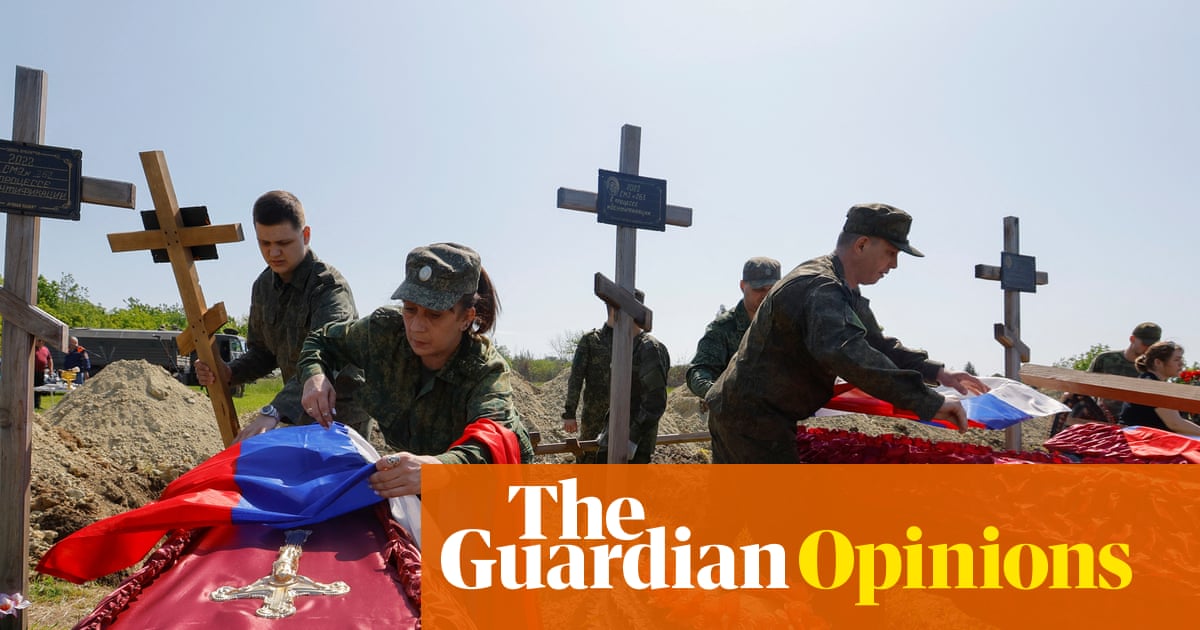
The human cost extends beyond the frontlines. Poor rural communities are targeted for recruitment into the military, often lured by signing bonuses and death benefits. However, due to budget constraints, these payouts have been reduced. Frontline soldiers from these areas face an average life expectancy of just 12 days. Independent journalist Alexey Kovalev notes that military spending masks long-standing issues like poverty and demographic decline, offering social mobility only through violence.
A report from the London School of Economics, titled *Against the Clock: Why Russia’s War Economy is Running Out of Time*, highlights deep societal divisions. While 20% of Russians have seen improved incomes due to wartime activity, the majority face real income reductions between 16% and 42%. The 2023 Wagner Group uprising serves as a warning: worsening economic conditions could intensify tensions within the ruling elite.
Meanwhile, Donald Trump’s diplomatic overtures—offering a deal that would legitimize Russian territorial gains—were rejected by Putin, who believes he can achieve total victory. Yet this miscalculation may accelerate his downfall. As economic hardship grows and internal dissent is suppressed, the possibility of a social crisis looms. History suggests that regimes built on repression eventually collapse under their own weight.
— news from The Guardian
— News Original —
Putin should have accepted Trump’s deal. Now Russia’s collapsing economy could lead to his downfall | Simon Tisdall
People in Britain who think they are governed by fools should take a closer look at the Russian and US presidents. Vladimir Putin is systematically ruining his country. His war of choice in Ukraine is an economic, financial, geopolitical and human calamity for Russia that worsens by the day. For his own murky reasons, Donald Trump, another national menace, offered him a lifeline last week. Yet Putin spurned it. These two fools deserve each other.
On the table in Moscow was a “peace” deal that, broadly speaking, rewarded Russia’s aggression by handing over large chunks of Ukrainian land, compromised Kyiv’s independence and weakened its defences against any future attack. The Trump deal, if forced through, would have split the US and Europe; ruptured Nato, perhaps fatally; reprieved Russia’s pariah economy; and probably toppled Volodymyr Zelenskyy’s government.
These are key Russian war aims. But Putin, suffering from neo-imperial fantasies and legacy issues, said “no”. He reckons he can get it all, and more, by fighting on. He has persuaded the idiot Trump that Russia’s victory is inevitable – and that scheming Europeans are the real warmongers. Yet his premise is fundamentally flawed. Hard facts confound him. Almost four years on, he’s still trapped in Donbas mud and ice. And at home, things fall apart.
After two years of growth artificially fuelled by higher defence spending, Russia’s oil and gas income, representing up to 50% of state revenue, is down 27% year-on-year, and recession looms. Inflation is up, at 8%; interest rates top 16%. The budget deficit is rising, more than half of Russia’s liquid sovereign wealth fund has been squandered since 2022, state monopolies face huge debts, foreign investment has plunged, import costs of strategic goods have risen by 122%, and consumer taxes are soaring, all to fund Putin’s war. Russians must even pay more to drown their sorrows: the price of vodka is up 5%.
The pain gets steadily worse. Ukraine has identified a weak spot: Russia’s refineries, pipelines and “shadow fleet” of oil tankers carrying illicit exports. A third tanker was set ablaze in the Black Sea last week by naval drone strikes. Kyiv is regularly hitting energy facilities deep inside Russia, causing panic and fuel shortages. Meanwhile, Russia’s two energy giants, Rosneft and Lukoil, are reeling as Asian buyers, including in China’s vital market, rush to avoid secondary US sanctions.
Putin’s economic ruination of Russia, though still a work in progress, is matched by plummeting geopolitical influence. Bogged down in Ukraine, Moscow could only watch as Syria, a prized Middle East ally, turned to the west and Iran came under US and Israeli attack. Now Venezuela, too, looks in vain for support. Ties with China have been upended, with a humiliated Russia relegated to the role of dependent junior partner. Visiting India last week, Putin cut a needy figure in a country that, following US pressure, now boycotts Russian oil.
The “Russia is winning” narrative hinges on supposed battlefield successes. Yuri Ushakov, one of Putin’s aides, claimed recent territorial advances “positively impacted” the Moscow talks – meaning they strengthened Russia’s hand. That’s delusional. The gains are marginal. Despite his surprise, full-scale invasion and overwhelming advantages in manpower and materiel, Putin has utterly failed to subjugate Ukraine – a failure measured in shocking Russian casualty figures: more than 280,000 killed or injured in the first eight months of 2025; about one million in total.
How much longer will the Russian people tolerate their mass-murderer dictator-president – the Salisbury poisoner, the indicted war criminal – who, refusing all peace overtures, is now threatening war with Europe? This question is key. Putin’s readiness to risk the lives and wellbeing of ordinary Russians is only too evident, symbolised by the cynical signing-up fees and death benefits paid to infantry volunteers from poor rural areas – whose average frontline life expectancy is 12 days. Adding insult to injury, pay-outs have been slashed due to budget cuts.
These blood money schemes reflect deep indifference to entrenched problems of poverty and demographic collapse, independent journalist Alexey Kovalev has argued: “Military spending temporarily masks decades of neglect, providing social mobility through carnage.” When the fighting eventually stops, a “vast social crisis” could ensue, he has suggested – and the Kremlin fears it, hence its crushing of public and online dissent. For Putin, this is another reason not to end the war. His crimes against his own people may yet prove his undoing.
A new LSE experts’ report, Against the Clock: Why Russia’s War Economy is Running Out of Time, found that while the war has “dramatically improved” the incomes of 20% of Russians, it is hugely socially divisive. “For the bulk of Russians, real incomes have fallen by 16% to 42%,” it said. Citing the 2023 Wagner uprising, it predicted deteriorating economic conditions could intensify “intra-elite and intra-regime” tensions.
The latest US negotiating fiasco has once again exposed Trump’s idiotically lopsided Ukraine “strategy”. Appeasing Russia from the start, he has undermined Ukraine by attacking Zelenskyy and halting arms supplies. Trump’s egotistic eagerness to play peacemaker and make a quick buck, choice of inept relatives and cronies as amateur envoys, and attempts to sideline and pillory Europe assist and embolden Putin.
Trump’s meddling is prolonging the war. He should butt out before he does more damage – and Europe (and Nato) must step in with more weapons for Ukraine, reparation loans using seized Russian assets, fully enforced energy sanctions, tougher kinetic responses to sabotage and cyber-attacks, and a more united determination to help end Putin’s age of terror.
The Russian nation is too big to fail. Its proud history of struggle shows it cannot be beaten. But Putin can. He’s losing, not winning. And sooner or later, like the tsars and totalitarians of old, that same eternal Russia whose name he glorifies will chew him up and spit him out.