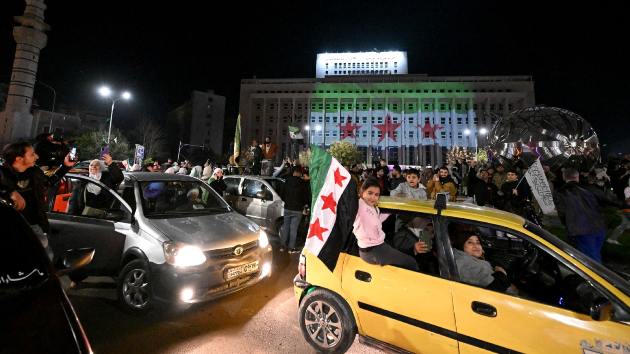
One year after the fall of Bashar al-Assad’s regime on December 8, 2024, Syria stands at a critical economic crossroads, grappling with the heavy legacy of war while actively pursuing economic revival and investment inflows. A shift in international stance, particularly from the U.S. and Western nations, has led to the lifting of sanctions and renewed financial engagement, seen as vital for reconstruction efforts.
According to the United Nations Development Programme, Syria’s economy has suffered losses estimated at $800 billion during the conflict, reflecting widespread destruction of infrastructure and productive sectors. The country now faces complex challenges, from rehabilitating basic services to rebuilding a functional economic system.
The collapse of the former regime marked a turning point, accelerating international efforts to address economic deterioration and reintegrate Syria into the global economy.
The removal of sanctions has sent reassuring signals to markets and investors, repositioning Syria as a potential destination for capital after years of isolation.
Syrian Economy Minister Mohammad Nidal al-Shaar previously stated that the country hosts investment opportunities valued at nearly $1 trillion. President Ahmed al-Sharaa announced in October that Syria attracted $28 billion in investments during the first half of the year, a sign the government views as growing confidence in the national economy, despite ongoing challenges related to security, public services, and currency stability.
In August, the Syrian government signed investment memoranda totaling $14 billion with international firms, including major strategic projects. Among them was a $4 billion agreement with Qatari-based Europacon Holding to build a new airport in Damascus, and a $2 billion deal with the UAE National Investment Authority to develop a metro system in the capital.
According to Talal al-Hilali, head of Syria’s Investment Authority, key initiatives include the $4 billion Damascus International Airport, the $2 billion Damascus Metro, the $2 billion Damascus Towers, the $500 million Al-Baramkeh Towers, and the $60 million Al-Baramkeh Mall—part of a broader plan to reshape the capital’s urban and service landscape.
This momentum coincides with the launch of a new investment law, which President al-Sharaa described as among the world’s top ten, citing generous incentives and legal safeguards. However, effective implementation remains the primary hurdle.
Gulf involvement has been prominent, with numerous memoranda signed with Gulf companies in energy, real estate, telecommunications, civil aviation, and ports.
Foreign Minister Asaad al-Shibani emphasized that 2026 will be a “year of development,” noting that Syria will be fully free of sanctions, enabling faster access to foreign financing and revitalizing production sectors.
Despite these positive signals, significant obstacles remain, including rebuilding damaged infrastructure, reforming financial and banking systems, and improving living standards amid high poverty and unemployment rates.
— news from
— News Original —
بعد عام من سقوط الأسد.. سوريا تُعوّل على استثمارات مليارية للتعافي الاقتصادي
بعد عام كامل على سقوط نظام بشار الأسد في 8 ديسمبر/ كانون الأول 2024، تقف سوريا عند مفترق طرق اقتصادي حاسم، بين إرث ثقيل خلّفته سنوات الحرب، ومحاولات حثيثة لإعادة تشغيل الاقتصاد وجذب الاستثمارات، في ظل انفتاح أميركي وغربي على السلطات الجديدة، تُوّج بإلغاء العقوبات وفتح الأبواب أمام تدفقات مالية واستثمارية يُعوَّل عليها في إعادة الإعمار. n nوفق تقديرات برنامج الأمم المتحدة الإنمائي، تكبّد الاقتصاد السوري خسائر تُقدَّر بنحو 800 مليار دولار خلال فترة الحرب، وهو رقم يعكس حجم الدمار الذي طال البنية التحتية والقطاعات الإنتاجية والخدمية، ويضع البلاد أمام تحديات مركّبة تبدأ بإعادة تأهيل المرافق الأساسية ولا تنتهي بإعادة بناء منظومة اقتصادية قادرة على النمو. n nومثل سقوط النظام نقطة تحوّل مفصلية، سرّعت التحركات الدولية لمعالجة الأوضاع الاقتصادية ومواجهة ما يوصف ب”الإرث الثقيل”، مع سعي واضح لإعادة دمج سوريا في النظام الاقتصادي العالمي. n nاقرأ أيضاً: بعد عام على سقوط الأسد.. كيف تبدو الأوضاع داخل سوريا؟ n nوفي هذا السياق، بعثت الخطوات الأميركية والغربية، ولا سيما إلغاء العقوبات، رسائل طمأنة للأسواق والمستثمرين، وأعادت وضع سوريا على خريطة الاستثمار بعد سنوات من العزلة. n nفرص استثمارية بنحو تريليون دولار n nوبحسب تصريحات سابقة لوزير الاقتصاد السوري محمد نضال الشعار، فإن بلاده تزخر بفرص استثمارية تُقدَّر بنحو تريليون دولار. n nووفق ما أعلنه الرئيس السوري أحمد الشرع في أكتوبر/ تشرين الأول الماضي، فقد اجتذبت سوريا خلال الأشهر الستة الأولى من العام استثمارات بقيمة 28 مليار دولار، في مؤشر تعتبره الحكومة دليلاً على عودة الثقة التدريجية بالاقتصاد السوري، رغم استمرار التحديات المرتبطة بالأمن والخدمات واستقرار العملة. n nويشار إلى أنه في أغسطس/ آب الماضي، وقّعت الحكومة السورية مذكرات تفاهم استثمارية مع عدد من الشركات الدولية بقيمة إجمالية بلغت 14 مليار دولار، تضمنت حزمة من المشاريع الاستراتيجية الكبرى، شكّلت أحد أبرز عناوين الحراك الاستثماري خلال العام. n nشملت هذه الاتفاقيات صفقة بقيمة أربعة مليارات دولار لبناء مطار جديد في دمشق مع شركة أورباكون القابضة القطرية، إضافة إلى صفقة بملياري دولار لإنشاء مترو أنفاق في العاصمة السورية مع المؤسسة الوطنية للاستثمار الإماراتية. n nونقلت الوكالة العربية السورية للأنباء (سانا) عن رئيس هيئة الاستثمار السورية طلال الهلالي قوله إن من أبرز هذه المشاريع: مطار دمشق الدولي باستثمار 4 مليارات دولار، ومترو دمشق باستثمار ملياري دولار كمشروع حيوي للبنية التحتية والتنقل الحضري، وأبراج دمشق باستثمار ملياري دولار، وأبراج البرامكة باستثمار 500 مليون دولار، ومول البرامكة باستثمار 60 مليون دولار، في إطار خطة لإعادة تشكيل المشهد العمراني والخدمي في العاصمة. n nتزامن هذا الحراك مع إطلاق قانون الاستثمار الجديد، الذي وصفه الرئيس الشرع بأنه من بين “أفضل 10 قوانين استثمار في العالم”، في إشارة إلى حجم الحوافز والضمانات التي يتضمنها، بينما يظل “التطبيق” هو التحدي الأهم. n nحضور خليجي n nفي السياق، يبرز الحضور الخليجي بوصفه أحد أعمدة الاستثمارات الجديدة، حيث شهد العام توقيع عدد كبير من مذكرات التفاهم مع شركات خليجية، شملت مشاريع في قطاعات الطاقة والعقارات والاتصالات، فضلًا عن الطيران المدني والموانئ. n nويؤكد وزير الخارجية السوري أسعد الشيباني أن عام 2026 سيكون “عام التنمية”، لافتًا إلى أن سوريا ستكون حينها خالية بالكامل من العقوبات، وهو ما من شأنه أن يُحدث نقلة نوعية في قدرة الاقتصاد على جذب التمويل الخارجي وتشغيل القطاعات الإنتاجية بوتيرة أسرع. n nورغم هذه المؤشرات الإيجابية، لا تزال التحديات ماثلة بقوة، من إعادة تأهيل البنية التحتية المدمّرة، وإصلاح النظامين المالي والمصرفي، إلى تحقيق الاستقرار الاجتماعي وتحسين مستوى المعيشة في ظل ارتفاع معدلات الفقر والبطالة.