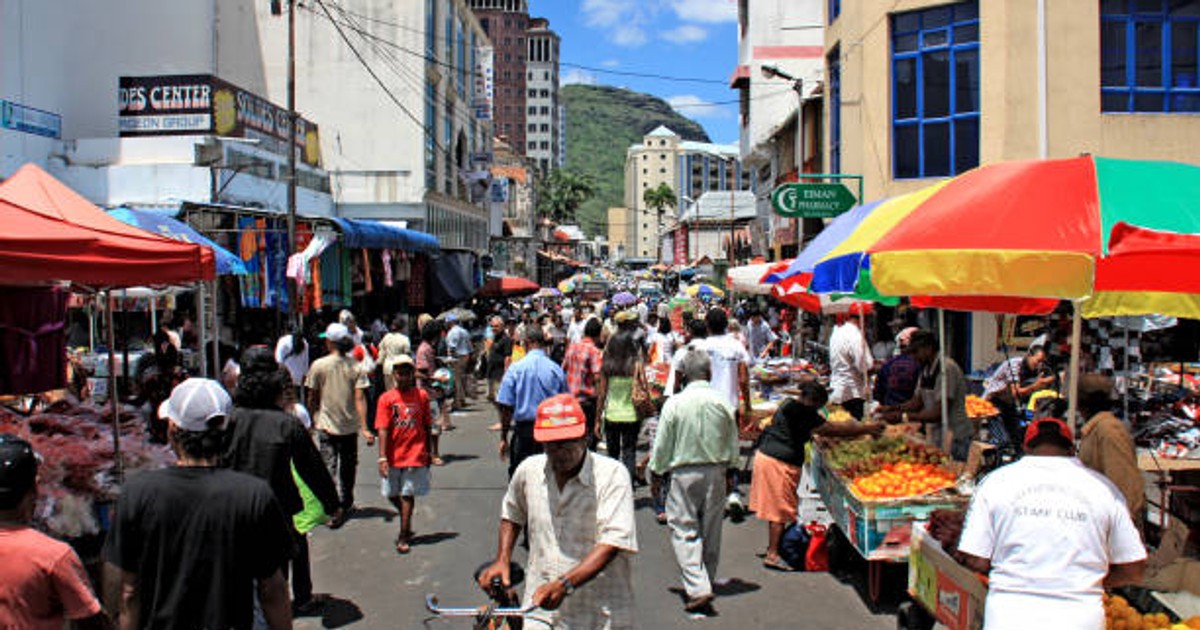
The 2025 Africa Country Instability Risk Index (ACIRI), developed by SBM Intelligence, evaluates 48 sub-Saharan African nations using a blend of quantitative and qualitative indicators to assess vulnerability to political, economic, and security disruptions. The analysis excludes North Africa, Mauritania, and Western Sahara due to regional focus and data limitations. n nThe index uses a 100-point scale, with higher scores indicating greater instability. Categories include Leadership and Governance (40%), Economy (30%), Geopolitics (15%), and History (15%). Countries are classified as Safe (below 30), Stable (30–39), Vulnerable (40–49), Critical (50–59), Warning (60–69), and Red Watch (70+). n nSouthern Africa remains the most stable region, averaging 35.25, nearly unchanged from 2024. South Africa’s risk score rose slightly to 29 due to ongoing debates over VAT, corruption, and fiscal adjustments under the G20 Common Framework, despite the Government of National Unity completing its first year. n nEast Africa experienced the sharpest decline, with its average risk score increasing from 50.7 to 56, driven by political unrest in Kenya and Tanzania, widening fiscal deficits, and currency instability. n nCentral Africa’s score dipped marginally to 55.75, influenced by the M23 conflict in eastern DRC and persistent instability in Chad and Cameroon. West Africa’s average rose to 45.2, reflecting coup rumors in Nigeria and protests over subsidy removals, though stabilization initiatives maintain a cautiously optimistic outlook. n nMauritius ranks as the most secure nation with a risk score of 17, supported by strong governance, economic resilience, and minimal geopolitical threats. It is followed by Cape Verde, Liberia, and Lesotho, all demonstrating robust political and social frameworks. Botswana, Namibia, and South Africa occupy mid-tier positions, showing moderate stability despite economic and governance challenges. Ghana completes the top 10, maintaining steady performance in institutional and economic indicators. n nOverall, Southern Africa continues to lead in regional stability, while East and West Africa face heightened volatility. As the continent moves toward 2026, challenges such as jihadist insurgencies, democratic erosion, and leadership gaps persist. Targeted policy interventions and resilient governance will be essential to harness Africa’s demographic and economic potential. n
— news from Business Insider Africa
— News Original —
Top 10 most stable African countries with the lowest political, economic risks in 2025
The 2025 Africa Country Instability Risk Index (ACIRI), published by SBM Intelligence, ranks 48 sub-Saharan African countries using a mixed quantitative and qualitative framework that measures vulnerability to political, economic, and security shocks. n nCountries are grouped into West, Central, East, and Southern Africa, with North Africa excluded due to the study’s sub-Saharan focus. Mauritania and Western Sahara were also exempted due to limited data and their closer geopolitical and cultural alignment with North Africa. n nACIRI’s methodology aggregates macro-risk indicators across four categories which include Leadership and Governance (40%), Economy (30%), Geopolitics (15%), and History (15%), producing a 100-point scale where higher scores indicate higher instability. n nADVERTISEMENT n nThe index classifies countries as: Red Watch (70+), Warning (60–69), Critical (50–59), Vulnerable (40–49), Stable (30–39), and Safe (below 30). n nSBM Intelligence n nRegional performance n nAcross sub-Saharan Africa, Southern Africa remains the most stable region with an average score of 35.25, virtually unchanged from 2024. n nKey developments include South Africa’s Government of National Unity completing its first year, fiscal adjustments under the G20 Common Framework, and ongoing debates around VAT and corruption, which raised the national risk score slightly to 29. n nADVERTISEMENT n nEast Africa saw the largest deterioration, with the regional average climbing to 56 from 50.7 in 2024. Political unrest in Kenya and Tanzania, alongside economic pressures like widening fiscal deficits and currency risks, drove the rise. n nCentral Africa’s score eased slightly to 55.75, affected by the M23 conflict in eastern DRC and ongoing instability in Chad and Cameroon. n nWest Africa’s regional average increased modestly to 45.2, reflecting coup rumors in Nigeria and subsidy removal protests, though stabilization efforts kept the outlook cautiously positive. n nMauritius leads the list with the lowest risk score of 17, reflecting strong governance, economic stability, and minimal geopolitical threats. n nADVERTISEMENT n nCape Verde, Liberia, and Lesotho follow, indicating relative safety in political and social structures. n nSouthern African countries like Botswana, Namibia, and South Africa appear in the middle of the pack, showing moderate stability despite ongoing economic and political pressures. Ghana rounds out the top 10, demonstrating steady performance in governance and economic indicators. n nOverall, the table reveals regional trends in stability, with Southern Africa emerging as the most consistently secure region, while East and West Africa face higher volatility n nAs sub-Saharan Africa enters 2026, persistent risks around leadership, governance, and security remain, particularly in regions affected by jihadist insurgencies and democratic backsliding. n nTailored policy responses and resilient leadership will be crucial for sustaining stability and unlocking the continent’s demographic and economic potential.