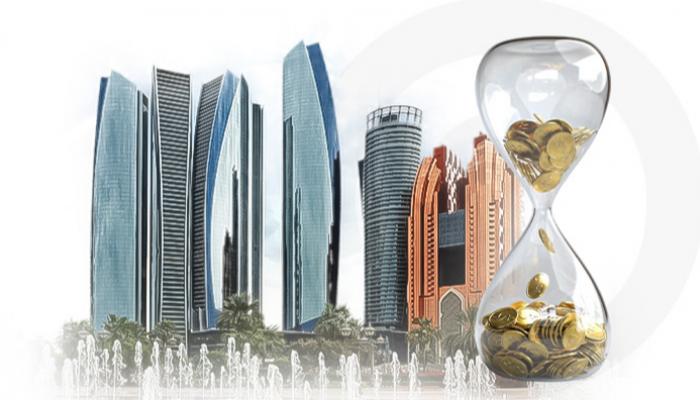
On the 54th anniversary of the UAE’s Union, the nation’s ambitious economic vision stands clear—one that has moved beyond oil dependence to build a diversified, sustainable economy encompassing tourism, manufacturing, logistics, technology, and green industries.
Over recent decades, the UAE has successfully transitioned from traditional reliance on hydrocarbons to a multi-faceted economic model. Strategic investments, forward-looking policies, and a business-friendly environment have fueled consistent growth and attracted both domestic and foreign capital.
The non-oil sector contributed 77.3% of the country’s total GDP in the first quarter of 2025, marking a historic milestone. Real GDP grew by 3.9%, reaching 455 billion dirhams, while non-oil GDP hit 352 billion dirhams, expanding by 5.3%. Oil-related activities accounted for only 22.7% of output.
Tourism remains a cornerstone of economic development. In the first half of 2025, hotels welcomed over 16.1 million guests—an increase of 5.5% compared to the same period in 2024. Guest nights rose by 7.3% to 56 million, with an occupancy rate of 80.5% and an average stay of 3.5 nights. Tourism revenues doubled to 26.1 billion dirhams, reinforcing the UAE’s status as a global destination.
Manufacturing led sectoral growth with a 7.7% rise in Q1 2025, followed by finance, insurance, and construction at 7% each, real estate at 6.6%, and trade at 3%. These gains are supported by government initiatives to improve infrastructure, expand ports and airports, and develop digital and green systems.
The Ministry of Industry and Advanced Technology reported that industrial contribution to national GDP surged by 62% to 190 billion dirhams over four years, while industrial exports climbed 68% to 197 billion dirhams. The In-Country Value (ICV) program redirected 110 billion dirhams into the domestic economy in 2024—a 244% rise since 2020—and increased Emirati employment in the private sector by 260% to 22,000 nationals.
Logistics and transport grew by 9.6%, driven by 147.8 million passengers, highlighting the UAE’s role in facilitating global trade. Modern infrastructure in airports, seaports, and digital facilities has solidified its position as a regional and international logistics hub.
Non-oil foreign trade reached 27 trillion dirhams over the past decade and is projected to reach 68 trillion by 2035. In the first half of 2025, non-oil trade grew by 24.5%—14 times the global average—reflecting the strength of UAE economic policies.
The UAE has signed comprehensive economic agreements with 32 countries in the last three years, boosting its global standing and drawing foreign investment. A federal law now allows 100% foreign ownership of commercial companies, leading to a 235% increase in registered firms—from 400,000 in 2020 to over 1.3 million. Around 80% of regulations have been updated recently, transforming the business landscape.
Initiatives like “Make in the Emirates” have unified investors, manufacturers, and entrepreneurs, identifying over 4,800 locally producible goods worth 168 billion dirhams, backed by 40 billion dirhams in funding over the next decade.
The UAE ranks first globally for four consecutive years in the Global Entrepreneurship Monitor report. By September 2025, it had registered 402,311 national and international trademarks, signaling strong innovation and startup momentum.
Green economy and technology integration remain central, with investments in renewable energy, circular economy models, urban farming, and green technologies. These efforts foster innovation, accelerate technology localization, and support SMEs, making the UAE a long-term hub for sustainable growth and prosperity.
— news from العين الإخبارية