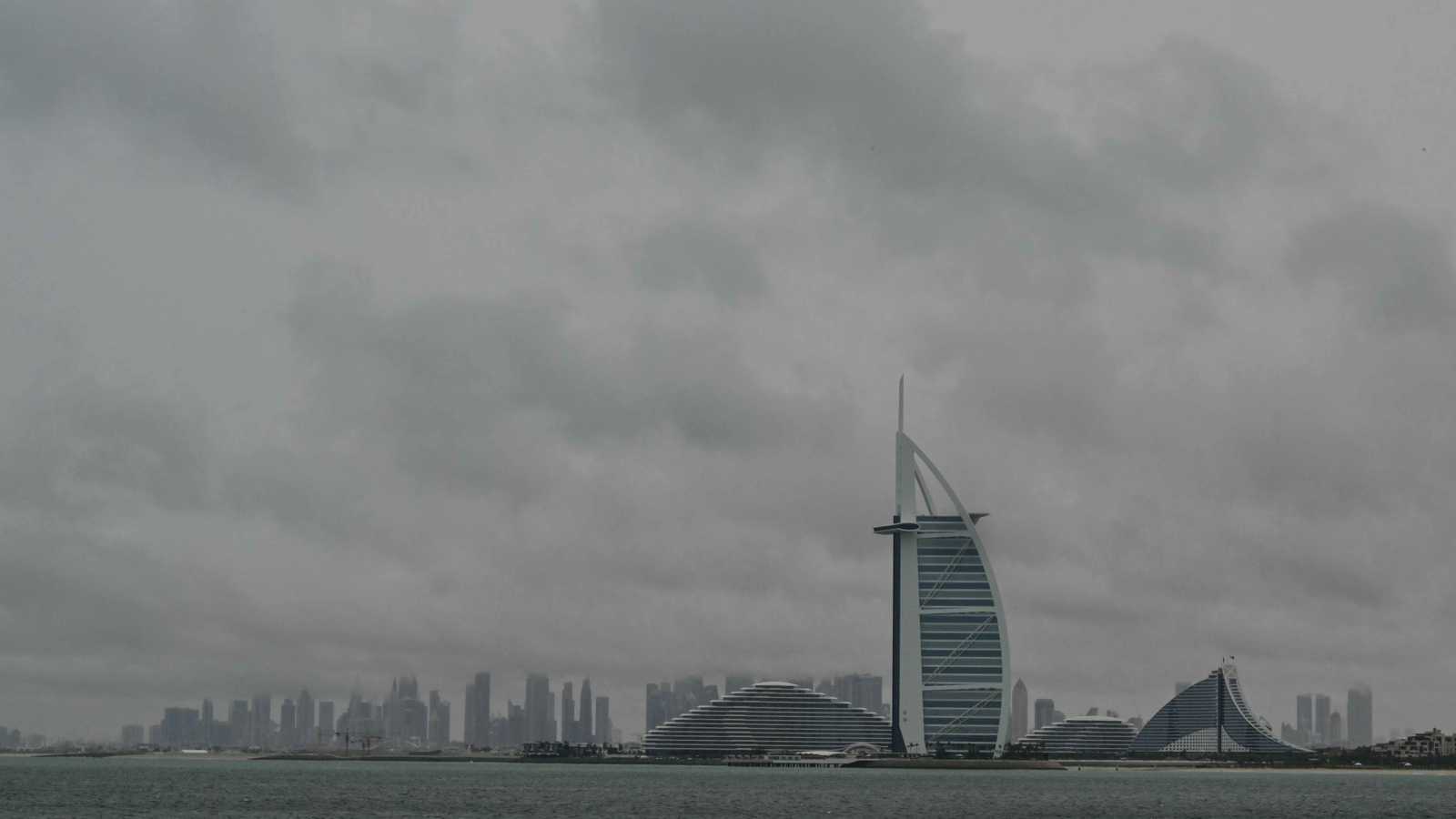
The United Arab Emirates has approached water management not merely as an environmental concern, but as a core component of macroeconomic stability. In an economy marked by rapid urban expansion and sustained population growth, water scarcity directly influences long-term financial planning, affecting infrastructure development, food security, and the competitiveness of productive sectors. As such, securing water resources is no longer a logistical task but a strategic variable embedded in sustainability and growth calculations.\n\nTo reduce reliance on energy-intensive desalination—responsible for over 80% of the country’s freshwater supply—the UAE has invested in advanced cloud seeding technologies. Desalination, while effective, carries high capital, energy, and environmental costs. By diversifying its water sourcing strategies, the UAE aims to distribute risks, enhance system resilience, and mitigate vulnerabilities linked to energy price fluctuations or supply chain disruptions.\n\nOfficial data indicate that average annual rainfall across most regions of the UAE does not exceed 100 mm, covering only a fraction of domestic water demand. This underscores the importance of augmenting natural precipitation. Cloud seeding is therefore not positioned as a replacement for desalination, but as a complementary economic tool that spreads cost burdens and strengthens the overall water supply framework.\n\nIn 2025, the National Center of Meteorology conducted 172 cloud seeding flights, signaling a shift from routine operations to a more systematic and scalable approach. This expansion reflects the maturity of technical readiness and operational infrastructure, enabling broader deployment without compromising efficiency or inflating operational expenses.\n\nThe government’s stated objective is to increase rainfall by 10% to 25%. Even within this range, the economic impact is significant: higher rainfall reduces pressure on desalination plants, lowers the cost per cubic meter of water produced, and contributes to groundwater recharge. Each incremental gain in precipitation translates into potential savings in maintenance and deferred capital expenditures.\n\nEconomically, this represents an indirect return on climate investment, improving the nation’s capacity to absorb shocks during droughts or below-average rainy seasons, such as those experienced in the most recent winter cycle.\n\nThe UAE emphasizes maximizing output per seeding operation rather than increasing flight volume indiscriminately. Ground-based generators (GBGs), installed in mountainous areas, offer a low-operational-cost alternative to aerial missions, allowing continuous influence on low-level clouds throughout the season without excessive resource consumption.\n\nAdditionally, the country has introduced advanced nanomaterials that have demonstrated up to three times greater effectiveness than traditional flares, achieving superior results with the same input. Electric charge techniques are also being tested to improve droplet formation within clouds, potentially increasing rainfall likelihood without raising spending. This marks a strategic pivot from quantity-driven efforts to productivity- and return-focused operations.\n\nArtificial intelligence plays a pivotal role in enhancing the economic discipline of cloud seeding. By analyzing real-time meteorological data, AI supports operational decisions based on actual success probabilities, minimizing human estimation errors. This data-driven approach reduces unproductive flights, optimizes aircraft and material usage, and improves the financial return per flight hour. With instantaneous analytics, the average cost per operation declines, transforming AI from a technical asset into a financial and operational governance mechanism that ensures public resources are allocated for maximum impact.\n\nThe annual cost of the UAE’s cloud seeding program is estimated at approximately $9 million, covering the operation of its aerial fleet and around 1,100 flight hours per year. When compared to the substantial investments required for desalination plants—including ongoing energy use and associated emissions—cloud seeding emerges as a cost-effective complement that alleviates strain on the national water system.\n\nThis does not imply a move away from desalination, but rather a rebalancing of water policy. Cloud seeding helps lower overall dependence on more expensive solutions, simultaneously advancing financial and environmental sustainability.\n\nUltimately, the UAE views cloud seeding as a long-term investment in economic stability rather than a short-term weather modification tactic. Every measurable increase in water availability enhances financial and structural planning flexibility, reduces risks tied to scarcity, and strengthens the ability of economic sectors to operate and grow in a highly uncertain climate environment.\n\nIn a region where the cost of scarcity is measured in concrete metrics rather than perceptions, cloud seeding has become part of a rational economic management system focused on balancing costs and returns, diversifying supply sources, and turning climate challenges into manageable variables.\n— news from إرم بزنس\n\n— News Original —\nThe original title: الاستمطار في الإمارات.. استثمار اقتصادي في إدارة ندرة المياه\nThe original content: تعاملت دولة الإمارات العربية المتحدة مع ملف المياه باعتباره أحد عناصر الاستقرار الاقتصادي الكلي، لا مجرد قضية بيئية أو ظرف مناخي طارئ. n nففي اقتصاد يتسم بتوسع عمراني متسارع ونمو سكاني مستمر، تصبح كلفة شحّ المياه عاملاً مؤثراً في التخطيط المالي طويل الأجل، سواء على مستوى البنية التحتية، أم الأمن الغذائي، أم تنافسية القطاعات الإنتاجية. ومن هذا المنطلق، لم يعد تأمين الموارد المائية مسألة تشغيلية، بل متغير استراتيجي يدخل مباشرة في حسابات النمو والاستدامة. n nفي هذا الإطار، جاء الاستثمار في تقنيات الاستمطار المتقدمة كجزء من سياسة تنويع أدوات إدارة الموارد، تهدف إلى تقليل الاعتماد الأحادي على تحلية المياه، التي تُعد من أكثر الحلول كلفة من حيث استهلاك الطاقة، والإنفاق الرأسمالي، والأثر البيئي. ويعكس هذا التوجه انتقالاً من منطق المعالجة إلى منطق إدارة المخاطر، عبر توزيع مصادر الإمداد المائي ورفع مرونة النظام ككل. n nوتشير بيانات رسمية إلى أن متوسط هطول الأمطار السنوي في دولة الإمارات لا يتجاوز 100 ملم في معظم المناطق، وهو مستوى لا يغطي سوى نسبة محدودة من الطلب المحلي على المياه. في المقابل، تُقدَّر مساهمة التحلية بأكثر من 80% من إمدادات المياه العذبة، ما يجعل أي اضطراب في كلفة الطاقة أو سلاسل الإمداد عاملاً مؤثراً على الأمن المائي. n nمن هنا، لا يُنظر إلى الاستمطار كحل بديل، بل كأداة اقتصادية مكمّلة تسهم في تقليل المخاطر، وتوزيع الكلفة، وتعزيز مرونة المنظومة المائية. n nتصعيد تشغيلي مدفوع بحسابات العائد n nخلال عام 2025، انتقل برنامج الاستمطار من مرحلة التشغيل الاعتيادي إلى مرحلة التكثيف المنهجي، حيث نفّذ «المركز الوطني للأرصاد» 172 طلعة جوية منذ بداية العام، في مؤشر على توسع محسوب يستند إلى جاهزية تقنية وبنية تشغيلية متقدمة. هذا التصعيد يعكس نضج البرنامج وقدرته على العمل ضمن نطاق واسع دون الإخلال بالكفاءة أو رفع الكلفة التشغيلية بشكل غير مبرر. n nولا يمكن قراءة هذا التوسع بمعزل عن الهدف المعلن بزيادة معدلات هطول الأمطار بنسبة تتراوح بين 10% و25%، وهي نسبة ذات أثر اقتصادي مباشر عند احتسابها على مستوى الموارد الجوفية، وتقليل الضغط على محطات التحلية، وخفض كلفة إنتاج المتر المكعب من المياه. فكل زيادة في الهطول المطري تُترجم إلى وفورات محتملة في التشغيل والصيانة، وتخفيف للأعباء الرأسمالية المستقبلية. n nاقتصادياً، تمثل هذه الزيادة المحتملة في الأمطار عائداً غير مباشر على الاستثمار المناخي، يعزز قدرة الدولة على امتصاص الصدمات المرتبطة بتقلبات الطقس، خاصة في سنوات الجفاف أو انخفاض المعدلات المطرية عن المتوسط، كما حدث خلال الموسم الشتوي الأخير. n nبنية تقنية تعظّم إنتاجية السحابة n nاعتمدت الإمارات نهجاً يقوم على تعظيم العائد من كل عملية استمطار، بدلاً من التوسع الكمي غير المدروس في عدد الطلعات الجوية. فالمولدات الأرضية (GBGs)، التي تُنصب في المناطق الجبلية، تمثل استثماراً ثابتاً منخفض الكلفة التشغيلية مقارنة بالطيران، وتتيح التأثير في السحب المنخفضة على مدار الموسم دون استنزاف الموارد الجوية أو رفع كلفة التشغيل. n nإلى جانب ذلك، أدخلت الدولة مواد نانوية متقدمة أثبتت فعاليتها بما يصل إلى ثلاثة أضعاف مقارنة بالشعلات التقليدية، ما يعني تحقيق نتائج أعلى باستخدام الكمية نفسها من الموارد. n nأما تقنيات الشحن الكهربائي، فهي تمثل مرحلة اختبارية متقدمة تهدف إلى تحسين كفاءة تكوّن القطرات داخل السحب، بما يرفع احتمالية الهطول دون مضاعفة الإنفاق. ويعكس هذا النهج انتقال البرنامج من منطق الكمية إلى منطق الإنتاجية والعائد. n nالذكاء الاصطناعي كأداة ضبط n nيلعب الذكاء الاصطناعي دوراً مركزياً في تحويل الاستمطار إلى عملية ذات انضباط اقتصادي عالٍ، من خلال تحليل البيانات الجوية في الوقت الحقيقي وربط القرار التشغيلي باحتمالات النجاح الفعلية. هذا الأسلوب يقلل من الاعتماد على التقدير البشري، ويحوّل التدخل الجوي إلى قرار مبني على البيانات، بما يخفض معدلات الخطأ ويعزز كفاءة التخطيط. n nوعلى المستوى المالي، ينعكس هذا النهج مباشرة في تقليص الطلعات غير المجدية، ورفع كفاءة استخدام الطائرات والمواد، وتحسين العائد الاقتصادي لكل ساعة طيران. ومع اعتماد التحليل اللحظي، تنخفض الكلفة المتوسطة للعملية الواحدة، ويتحوّل الذكاء الاصطناعي من أداة تقنية إلى آلية حوكمة مالية وتشغيلية تضبط وتيرة الإنفاق وتضمن توجيه الموارد العامة نحو أعلى مردود ممكن. n nمعادلة الكلفة والعائد في مواجهة التحلية n nتُقدَّر الكلفة السنوية لبرنامج الاستمطار في دولة الإمارات بنحو 9 ملايين دولار، تشمل تشغيل الأسطول الجوي ونحو 1100 ساعة طيران سنوياً. وعند مقارنة هذه الكلفة مع الاستثمارات الضخمة المطلوبة لبناء وتشغيل محطات التحلية، إضافة إلى استهلاك الطاقة والانبعاثات المصاحبة، يتضح أن الاستمطار يمثل خياراً اقتصادياً مكمّلاً يخفف الضغط عن المنظومة المائية ككل. n nولا يعني ذلك الاستغناء عن التحلية، بل إعادة التوازن داخل مزيج السياسات المائية، بحيث يُستخدم الاستمطار لتقليل الاعتماد الكلي على الحلول الأعلى كلفة، وتعزيز الاستدامة المالية والبيئية في آن واحد. n nالاستثمار في الاستقرار طويل الأجل n nفي المحصلة، تتعامل دولة الإمارات مع الاستمطار باعتباره استثماراً طويل الأجل في الاستقرار الاقتصادي، لا مجرد أداة لتحسين الأحوال الجوية على المدى القصير. فكل زيادة قابلة للقياس في الموارد المائية تترجم إلى مرونة أكبر في التخطيط المالي والبنيوي، وتراجع في مستوى المخاطر المرتبطة بندرة المياه، وتعزيز لقدرة القطاعات الاقتصادية على العمل والنمو في بيئة مناخية تتسم بارتفاع درجة عدم اليقين. n nوفي منطقة تُقاس فيها كلفة الندرة بلغة الأرقام والمؤشرات لا بالانطباعات، يصبح الاستمطار جزءاً من منظومة الإدارة الاقتصادية الرشيدة، التي تسعى إلى موازنة الكلفة والعائد، وتنويع مصادر الإمداد، وتحويل التحديات المناخية إلى متغيرات قابلة للإدارة.