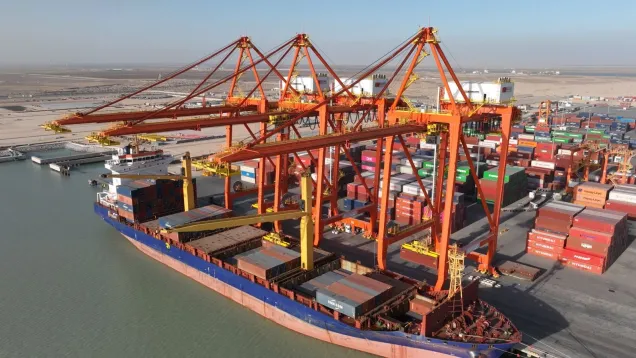
Iraqi economist Manar Al-Obaidi has highlighted three major obstacles affecting the country’s international trade performance. According to an analysis by Al-Obaidi, reviewed by “Altra Iraq,” data from the first nine months of the year show continued growth in Iraq’s import levels, but with a noticeable concentration in sourcing from a limited number of countries. The United Arab Emirates, China, and Turkey emerged as the top exporters to Iraq during this period.
The data also reveal a significant concentration in imported goods categories, with just nine out of 99 internationally recognized commodity groups accounting for over 67% of total import value. Leading the list are electronic and electrical equipment, followed by precious metals—particularly gold—vehicles and automotive parts, mechanical devices, and notably cooling systems.
Al-Obaidi identifies three core challenges:
First, Iraq faces a persistent trade deficit. Excluding oil exports, the country’s trade balance heavily favors foreign suppliers, with nearly 100% of non-oil trade flowing in one direction. This imbalance calls for more strategic foreign trade policies, including reciprocal trade arrangements and bilateral agreements that open foreign markets to Iraqi-made goods.
Second, the nature of imported goods raises concerns about industrial knowledge transfer. A large share of imports consists of luxury or semi-luxury items such as electronics and automobiles. The government has room to influence this trend by regulating such imports or requiring foreign exporters to establish basic local assembly or production units. This could serve as a stepping stone toward full-scale industrial investments that foster job creation and technological development.
Third, food security is at risk due to overreliance on imports from a single country—Turkey. This dependency places a critical aspect of national security under external influence, similar to water security concerns. Such concentration poses a strategic vulnerability that could be exploited politically. Iraq must urgently diversify its food import sources or invest seriously in building a domestic food industry capable of meeting essential needs and reducing dependence on any one supplier.
— news from الترا العراق
— News Original —
خبير اقتصادي يشخص 3 تحديات تواجه التجارة الدولية للعراق
شخّص الخبير الاقتصادي، منار العبيدي، ثلاثة تحديات تواجه التجارة الدولية للعراق.
وبحسب توضيح صادر عن العبيدي، وتابعه “ألترا عراق”، فإن “بيانات الأشهر التسعة الأولى من العام، أظهرت استمرار معدلات النمو في استيرادات العراق، مع بروز نمط واضح يتمثل في تركّز الاستيراد من عدد محدود من الدول، حيث تصدّرت كل من الإمارات العربية المتحدة والصين وتركيا قائمة الدول الأكثر تصديرًا إلى العراق”.
وفي الوقت نفسه، “كشفت البيانات عن تركّز كبير في الفئات السلعية المستوردة، إذ إن 9 فئات سلعية فقط من أصل 99 فئة معتمدة عالميًا استحوذت على أكثر من 67% من إجمالي قيمة الاستيرادات العراقية”.
وقد جاءت الأجهزة والمعدات الإلكترونية والكهربائية في المرتبة الأولى، تلتها المعادن الثمينة وعلى رأسها الذهب، ثم السيارات ومعداتها، وصولًا إلى الأجهزة الميكانيكية، وبشكل خاص أجهزة التبريد.
ويرى العبيدي أن “هناك تحديات رئيسية تواجه التجارة الدولية للعراق، حيث أنه انطلاقًا من هذه المؤشرات، يمكن تشخيص ثلاثة تحديات أساسية تواجه التجارة الدولية للعراق:
أولًا: العجز المز chronic في الميزان التجاري
يعاني العراق من عجز كبير في ميزانه التجاري مع معظم الدول، باستثناء صادرات النفط، حيث يميل الميزان التجاري بنسبة تقارب 100% لصالح الدول المصدّرة. هذا الواقع يستدعي تبنّي سياسة أكثر فاعلية في إدارة التجارة الخارجية، تقوم على تعزيز مبدأ المعاملة بالمثل والضغط باتجاه فتح الأسواق أمام السلع العراقية، سواء عبر حوافز تجارية أو اتفاقيات ثنائية أكثر توازنًا.
ثانيًا: طبيعة السلع المستوردة ونقل المعرفة الصناعية
يظهر أن جزءًا كبيرًا من الاستيرادات يتركّز في سلع ذات طابع كمالي أو شبه كمالي، مثل السيارات والأجهزة الإلكترونية والكهربائية. وهنا تمتلك الحكومة هامش مناورة مهم، سواء من خلال ترشيد استيراد هذه السلع أو عبر إلزام الشركات المصدّرة بإقامة مراحل إنتاج أو تجميع محلي بسيطة كخطوة أولى، وصولًا لاحقًا إلى استثمارات صناعية متكاملة تساهم في نقل المعرفة وخلق فرص العمل.
ثالثًا: الأمن الغذائي وتركيز الاستيراد
يُعدّ تركّز الأمن الغذائي العراقي على الاستيرادات الغذائية من تركيا التحدي الأخطر، إذ يضع جانبًا أساسيًا من الأمن الوطني تحت تأثير طرف خارجي واحد، على غرار ملف الأمن المائي.
هذا التركز يمثّل مخاطرة استراتيجية قد تُستغل مستقبلًا كورقة ضغط سياسي، ما يفرض على العراق التحرك العاجل نحو تنويع مصادر الاستيراد الغذائي، أو الشروع الجاد في بناء صناعة غذائية وطنية قادرة على سد جزء من الاحتياجات الأساسية وتقليل الاعتماد على مصدر واحد.