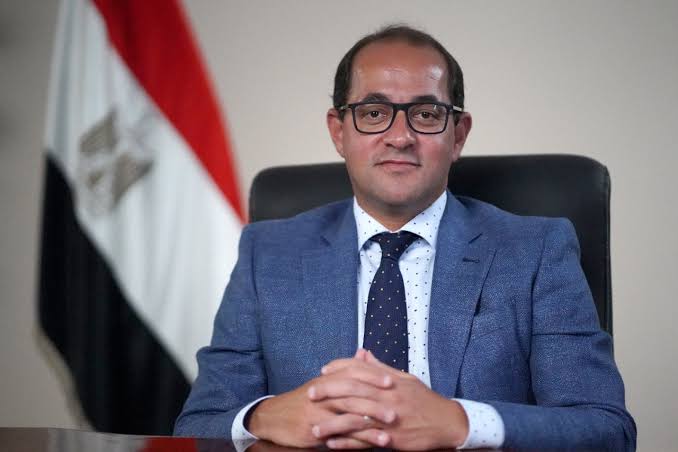
Ahmed Kojok, Egypt’s Finance Minister, revealed that the first phase of tax relief measures has led to approximately 650,000 new tax declarations, uncovering an estimated 1 trillion pounds in economic activity. This reflects growing confidence among taxpayers in the new tax system and their willingness to remain within the formal economy.
Speaking at the Egyptian Tax Association’s conference titled “The Second Package of Tax Facilitation Measures,” Kojok emphasized that the government does not view tax revenue as the primary goal of these reforms. Instead, he stated that improved collections naturally follow when the system is built on genuine partnership and mutual trust with taxpayers.
“No one would voluntarily disclose 1 trillion pounds unless they intended to continue operating within the state framework,” Kojok remarked, highlighting that bringing informal businesses into the formal sector and regularizing their status represents a real achievement—even if immediate revenue gains are limited.
He stressed that tax reform follows a clear, sustainable strategy focused on broadening the economic base, safeguarding taxpayer rights, and enhancing service quality. The strategic objective of fiscal policy, he noted, is expanding the economic base before increasing revenue.
The second package of tax facilitation measures continues this approach by presenting actionable proposals followed by substantive dialogue with business communities, experts, accountants, and professional associations. Kojok affirmed that this consultation process is integral to reform, not merely ceremonial.
Additionally, the Ministry of Finance plans to release a comprehensive tax policy strategy in the first quarter of the year, outlining a clear medium-term vision aligned with international developments and national economic priorities.
Kojok underscored that true tax reform goes beyond mere registration—it hinges on digital transformation, simplification of procedures, and improved services, particularly in real estate transaction taxes and exported services, ensuring the principle of “the state’s right in exchange for decent service.”
He concluded by emphasizing that the success of these facilitation efforts depends on sustained dialogue and public participation, reiterating that voluntary cooperation with taxpayers remains the best path toward sustainable economic growth and genuine tax fairness.
— news from جريدة البورصة
— News Original —
Finance Minister: 650,000 New Tax Filings Reveal Economic Activity Worth 1 Trillion Pounds
Ahmed Kojok, the Minister of Finance, revealed that the results of the first package of tax facilitation measures led to the submission of about 650,000 new tax declarations, revealing an estimated economic activity worth 1 trillion pounds, indicating growing confidence of taxpayers in the new tax system and their readiness to remain within the formal economy.
During his speech at the Egyptian Tax Association conference titled “The Second Package of Tax Facilitation Measures,” Kojok said the government does not view tax revenue as the direct goal of the facilitation packages, affirming that revenue “comes automatically, with quality and blessing” when the system is based on genuine partnership and mutual trust with the tax community.
“No one will declare a trillion pounds if they don’t intend to continue with the state,” he explained, clarifying that bringing activities into the system, correcting their status, and recognizing their economic activity is a real success even if it does not immediately reflect in increased revenue.
The minister affirmed that tax reform is being carried out according to a clear vision and a sustainable framework aimed at expanding the economic base, protecting taxpayers’ rights, and improving the quality of services, stressing that the strategic goal of public finance is expanding the economic base before maximizing revenues.
He explained that the second package of tax facilitation measures continues the same approach by presenting a feasible proposal, followed by serious dialogue with the business community, experts, accountants, and professional associations, affirming that this dialogue “is an integral part of the reform process, not just formal.”
Kojok revealed that the Ministry of Finance is moving to issue a comprehensive tax policy strategy during the first quarter of the year, aiming to present a clear medium-term vision consistent with international changes and economic development priorities.
The minister stressed that the essence of tax reform is not limited to registration, but is based on digital transformation, simplification of procedures, and improving services, especially in real estate transaction taxes and exported services, achieving the principle of “the state’s right in exchange for decent service.”
He affirmed that the success of tax facilitation depends on continuing dialogue and community participation, stressing that voluntary partnership with taxpayers represents the optimal path to achieving sustainable economic growth and genuine tax justice.