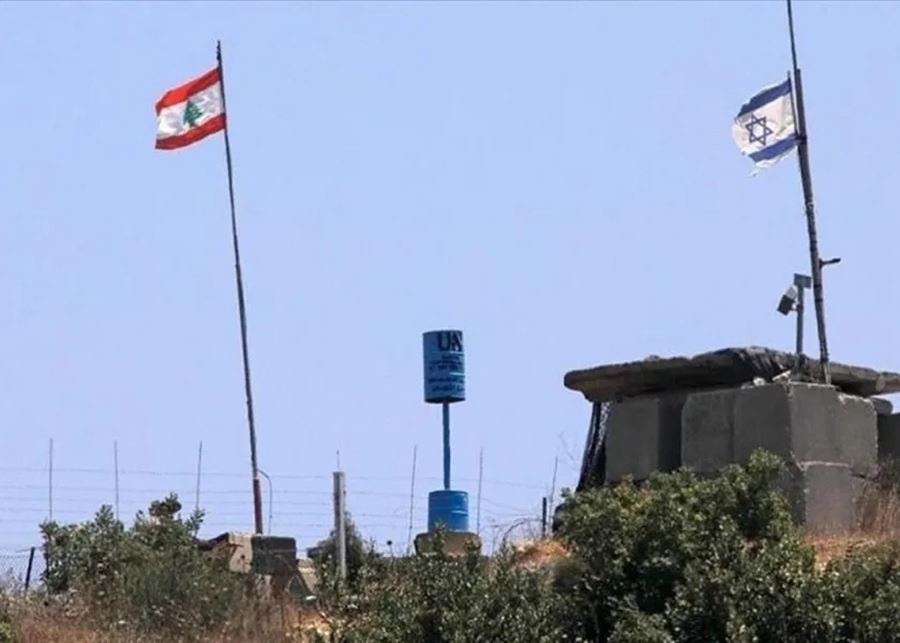
Lebanon’s attempt to limit negotiations with Israel to security, military, and border matters is unlikely to endure, as Israeli officials continue pushing for broader discussions that include economic cooperation. Israeli Prime Minister Benjamin Netanyahu has repeatedly emphasized the need for understandings that go beyond military disengagement, advocating for a comprehensive framework that includes economic collaboration. While Tel Aviv frames the talks as all-encompassing, Lebanese authorities maintain a narrower interpretation, focusing on territorial withdrawals, the release of detainees, halting Israeli attacks, ensuring safe returns for southern residents, and resolving outstanding border disputes.
Despite Lebanon’s official stance, Israel is advancing a different agenda, one that includes the disarmament of Hezbollah and the integration of key economic components into the negotiation process. Although calling for Hezbollah’s demilitarization is consistent with past positions, the emphasis on economic partnership marks a notable shift. According to sources familiar with the process, Lebanon is currently unwilling to engage deeply on economic issues, though future developments could open the door to expanded dialogue.
Israel’s focus on economic dimensions raises important questions. The proposed initiative for southern Lebanon is not solely a bilateral matter between Beirut and Tel Aviv; it involves significant U.S. involvement. Earlier discussions referenced the creation of a buffer zone along the border, sometimes referred to as the Trump Economic Zone, indicating Washington’s strategic interest in the region. While still under review in American policy circles, the project appears driven as much by security objectives as economic ones. Establishing an economic zone would effectively create a buffer, limiting the ability of armed groups like Hezbollah to threaten Israel’s security.
Another critical issue is hydrocarbon exploration in Lebanon’s territorial waters. Major energy companies are hesitant to begin oil and gas extraction without a stable security environment and the dismantling of armed militia activities. Secure conditions are essential for large-scale investment, and any peace agreement between Lebanon and Israel could transform the border region into a stable, economically vibrant area, ending cycles of conflict. This explains the persistent demands from both Tel Aviv and Washington for Hezbollah to be disarmed—no investor will commit billions in a region prone to sudden warfare.
These dynamics underscore that Lebanon cannot indefinitely maintain the status quo. Despite efforts by Hezbollah and Lebanese institutions to delay decisions, the window of opportunity is finite. If Lebanon fails to address disarmament demands, Israel may take swift and decisive action. Beirut cannot assume it holds full leverage; geopolitical, military, and economic realities outweigh its current position. Prolonged delays or attempts to circumvent these realities could ultimately trigger a new conflict, with Hezbollah and the Lebanese state bearing the heaviest consequences.
Negotiation rounds are set to resume early next year. Depending on developments, the process may accelerate, with the Trilateral Mechanism potentially holding more frequent sessions. However, Lebanon’s desire to restrict talks to security and border issues is unlikely to withstand the sustained Israeli push to include economic files and delve deeper into them.
— news from akhbaralyawm.com
— News Original —
التفاوض الاقتصادي: ما الغاية التي في نفس إسرائيل؟
رغبة لبنان في حصر التفاوض بالمسائل الأمنية والعسكرية والحدودية لن تصمد طويلًا n nألان سركيس – “نداء الوطن” n nيستقصد رئيس الوزراء الإسرائيلي بنيامين نتنياهو للمرة الثانية على التوالي الحديث عن المفاوضات للوصول إلى تفاهمات اقتصادية بين لبنان وإسرائيل. وتُصوّر تل أبيب المفاوضات على أنها شاملة ولا تنحصر بالشق العسكري فقط، بينما للبنان رأي آخر مختلف تمامًا. n nاجتمعت “الميكانيزم” يوم الجمعة للمرّة الثانية بحضور مدنيين. حمل رئيس الوفد اللبناني السفير سيمون كرم الملفات وجلس مع ممثلي “الميكانيزم” والمندوب الإسرائيلي. وحسب الأجواء، يمكن القول إن المفاوضات الجديّة قد انطلقت سواء أرادت الدولة اللبنانية تصويرها بأنها مفاوضات مباشرة أو غير مباشرة. n nيملك لبنان وجهة نظر وإسرائيل وجهة نظر أخرى. ففي كلّ تصاريح وأدبيات المسؤولين اللبنانيين هناك تأكيد على شمول المفاوضات الشق العسكري والحدودي. ويشمل هذا الأمر انسحاب إسرائيل من النقاط المحتلة، تحرير الأسرى، وقف الهجمات الإسرائيلية، تأمين عودة آمنة لسكان الجنوب اللبناني، وحلّ المشاكل الحدوديّة العالقة بين لبنان وإسرائيل. n nوإذا كانت الدولة اللبنانية تروّج لفكرة أن هذه المفاوضات تقف عند هذا الحدّ، إلّا أن للإسرائيلي رأيًا مغايرًا، فهو يريد نزع سلاح “حزب اللّه” والتأكيد على النقاط الاقتصادية المهمّة. n nمن الطبيعي مطالبة إسرائيل بنزع سلاح “الحزب”، لكن الشيء الجديد هو الحديث عن تعاون اقتصادي. وفي هذا السياق، يشدّد المطلعون على هذا الملف أن لبنان لن يذهب بعيدًا في التفاوض مع إسرائيل حاليًا. وكلمة حURRENTًا تعني إمكانية تطوير التفاوض في وقت لاحق. n nويأتي إصرار إسرائيل على نقطة الاقتصاد ليطرح جملة أسئلة، فحسب المطلعين، المشروع الذي يُحضر للجنوب ليس مشروعًا يخصّ لبنان وإسرائيل وحدهما، بل تدخل الولايات المتحدة الأميركية في صلبه، وتمّ الحديث في وقت سابق عن إقامة منطقة عازلة على الشريط الحدودي وقد أطلق عليها البعض اسم منطقة ترامب الاقتصادية، وبالتالي، تبدي واشنطن اهتمامًا بالملف اللبناني من هذه الزاوية. n nوإذا كان هذا المشروع يُدرس في الأروقة الأميركية، إلّا أن الهدف الأساسي منه ليس اقتصاديًا فقط بل أمنيًا أيضًا. فإذا نشأت منطقة اقتصادية، فهذا الأمر يعني إنشاء منطقة عازلة، ما يسبّب صعوبة لـ “حزب اللّه” أو غيره في تهديد أمن إسرائيل. n nومن جهة ثانية، هناك ملف استخراج الغاز والنفط من المياه الإقليمية، فلا يمكن للشركات العملاقة البدء بالتنقيب واستخراجه من دون فرض الأمن وإنهاء المظاهر الميليشياوية المسلّحة، فالشركات تريد العمل بظروف أمنية مؤاتية. n nويعتبر الأمن والاستقرار من العوامل الأساسية لأيّ استثمار اقتصادي، وأي معاهدة سلام بين لبنان وإسرائيل، تجعل المنطقة الحدودية مزدهرة، وتنهي كلّ أشكال الصراع والحروب المتنقلة. ويبرز في هذا السياق إصرار كلّ من تل أبيب وواشنطن على نزع سلاح “حزب اللّه”، إذ لا يمكن صرف مليارات الدولارات على الاستثمار في وقت هناك احتمال نشوء حرب في كلّ لحظة. n nوتأتي كلّ هذه العوامل لتؤكّد استحالة بقاء الوضع اللبناني على ما هو عليه، فمهما لعب “حزب اللّه” ومعه الدولة اللبنانية على عامل الوقت، فالفرصة المتاحة للدولة ليست بلا تاريخ، وعندما تنتهي هذه المهلة ولا تقدم الدولة على نزع السلاح سيكون هناك تحرّك إسرائيلي سريع وخاطف. n nولا يمكن للبنان التحدّث وكأنه يستطيع فرض شروطه، فالعوامل السياسية والأمنية والعسكرية والاقتصادية أكبر منه، وأي مماطلة أو محاولة التفاف على الواقع ستؤدّي في نهاية المطاف إلى نشوء حرب جديدة سيدفع “حزب اللّه” ومعه الدولة اللبنانية الثمن الأكبر. n nتستكمل حلقات التفاوض مطلع العام المقبل، وإذا كان هناك من داعٍ فقد يتطلّب الأمر تسريعًا في المفاوضات وربّما تعقد لجنة “الميكانيزم” اجتماعاتها بشكل مكثف، لكن رغبة لبنان في حصر التفاوض بالمسائل الأمنية والعسكرية والحدودية لن تصمد طويلًا، وسط الإصرار الإسرائيلي على طرح الملفات الاقتصادية والغوص بها أكثر.